Nitrogen+Syngas 399 Jan-Feb 2026

Topsoe and Maersk to set new safety standards for Power-to-X


DENMARK

Topsoe and Maersk to set new safety standards for Power-to-X

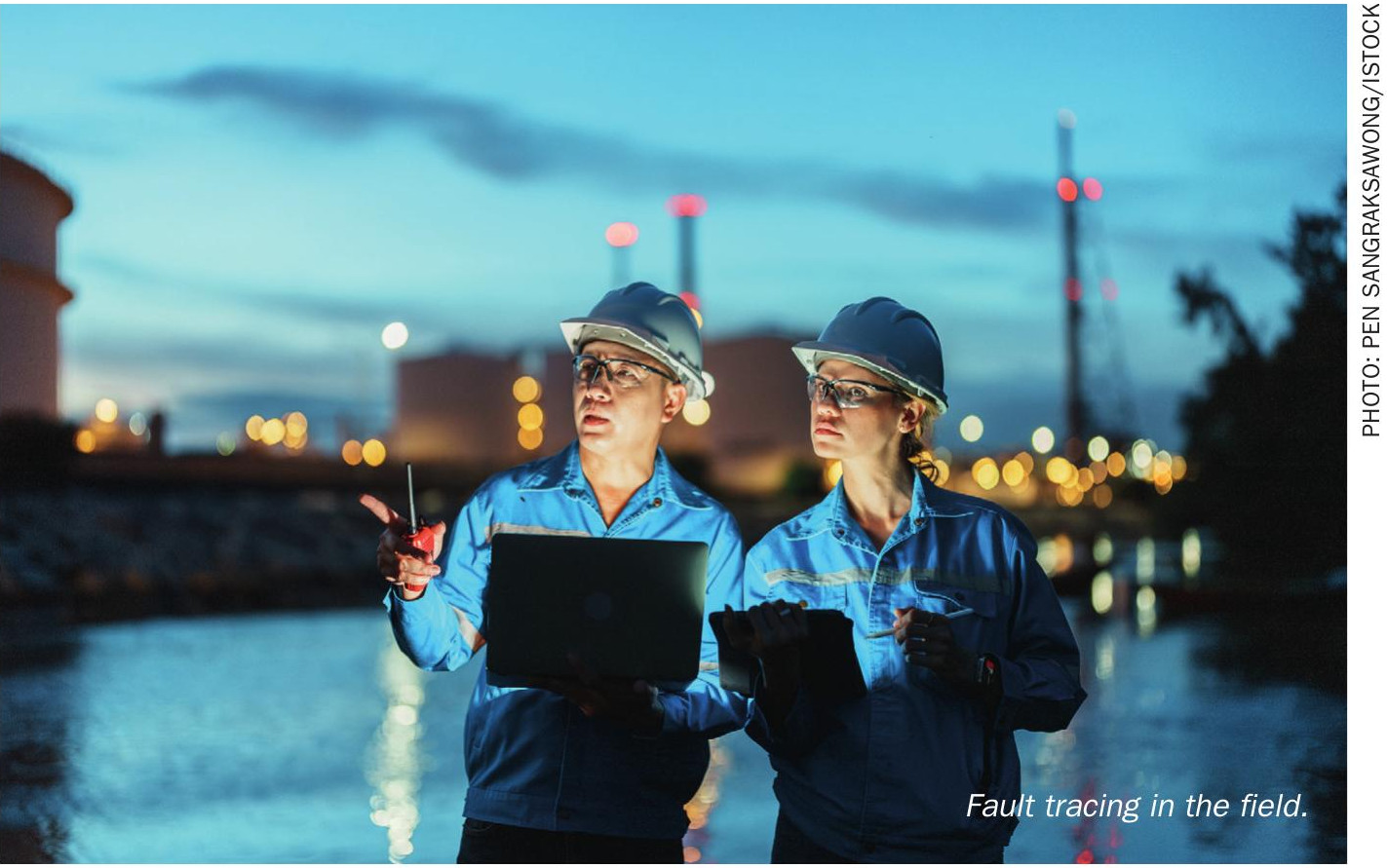
Topsoe is partnering with Maersk Training to establish safety standards that support the emerging Power-to-X industry. Topse says that Power-to-X and the production of e-fuels are critical enablers of the transition to low-emission fuels. However, no comprehensive safety standards currently exist that address the full range of risks at these sites. Together, the two companies will develop realistic simulations, competency-based training and a strong operational culture designed to strengthen safety practices across the entire value chain. As power-to-X technologies scale to meet global climate ambitions, both companies emphasise the need for robust, realistic and forward-looking training frameworks. The collaboration builds on Maersk Training’s nearly 50 years of experience in high-risk environments.

Sundus Cordelia Ramli, Chief Commercial Officer Power-to-X at Topsoe, said: “The Power-to-X industry is scaling faster than regulation can keep up, and that makes proactive safety leadership critical. By combining Topsoe’s deep technological expertise with Maersk Training’s proven track record in realistic, competency-based training, we aim to ensure that this nascent industry is built on a foundation of competence, preparedness and care.”

Per Larsen, Head of Innovation and Product Management at Maersk Training, said: “We bring nearly 50 years of experience in training. But we also recognize the value of strong partnerships – where additional expertise makes us stronger. This is not just about ticking boxes; it’s about making sure the people on the front line are equipped with the right skills and mindset.”

Latest in Policy & Regulation

Acid leak into ship canal

Around 1 million gallons of sulphuric acid was released from an industrial facility, some of it into the Houston Ship Channel, in late December. A pipeline ruptured when an elevated walkway collapsed at the BWC Terminals facility in Channelview, east of Houston. Two people were transported to a hospital and subsequently released, while 44 others were treated and released at the scene. BWC Terminals said in a statement the majority of the sulphuric acid released was into a designated containment area, with a smaller, unknown amount entering the ship channel.

Sulphur ban extended

At the end of December, the Russian government extended its ban on the export of technical sulphur until at least the end of March 2026. The move prolongs the initial restrictions, which were first reported on 4 November and which were set to expire at the end of 2025. The initial ban was widely expected and followed early September drone strikes on the Astrakhan and Orenburg natural-gas plants. The official justification for the extension remains to “stabilise shipments of raw materials to the domestic market” and maintain production volumes for mineral fertilizers, according to the government’s press service Interfax.

Predicting the unpredictable

The start of the new year has shown that 2026 is already proving to be a very eventful one, beginning with the US abduction of Venezuela’s president Nicolas Maduro, which has prompted questions over production at the country’s ailing nitrogen assets, as well as the potential for a future boost to gas supplies to Trinidad. Meanwhile the Iranian government faces its most sustained public challenge since the 1979 revolution, and possible US military intervention, threatening continued exports from the country. In Europe, the future of fertilizers’ inclusion in the Carbon Border Adjustment Mechanism (CBAM) has been thrown into doubt barely a week after the new regulations came into force, as France and Italy pushed for an exemption for crop nutrient imports.