Nitrogen+Syngas 394 Mar-Apr 2025

19 March 2025



Nitrogen+Syngas 394 Mar-Apr 2025
19 March 2025
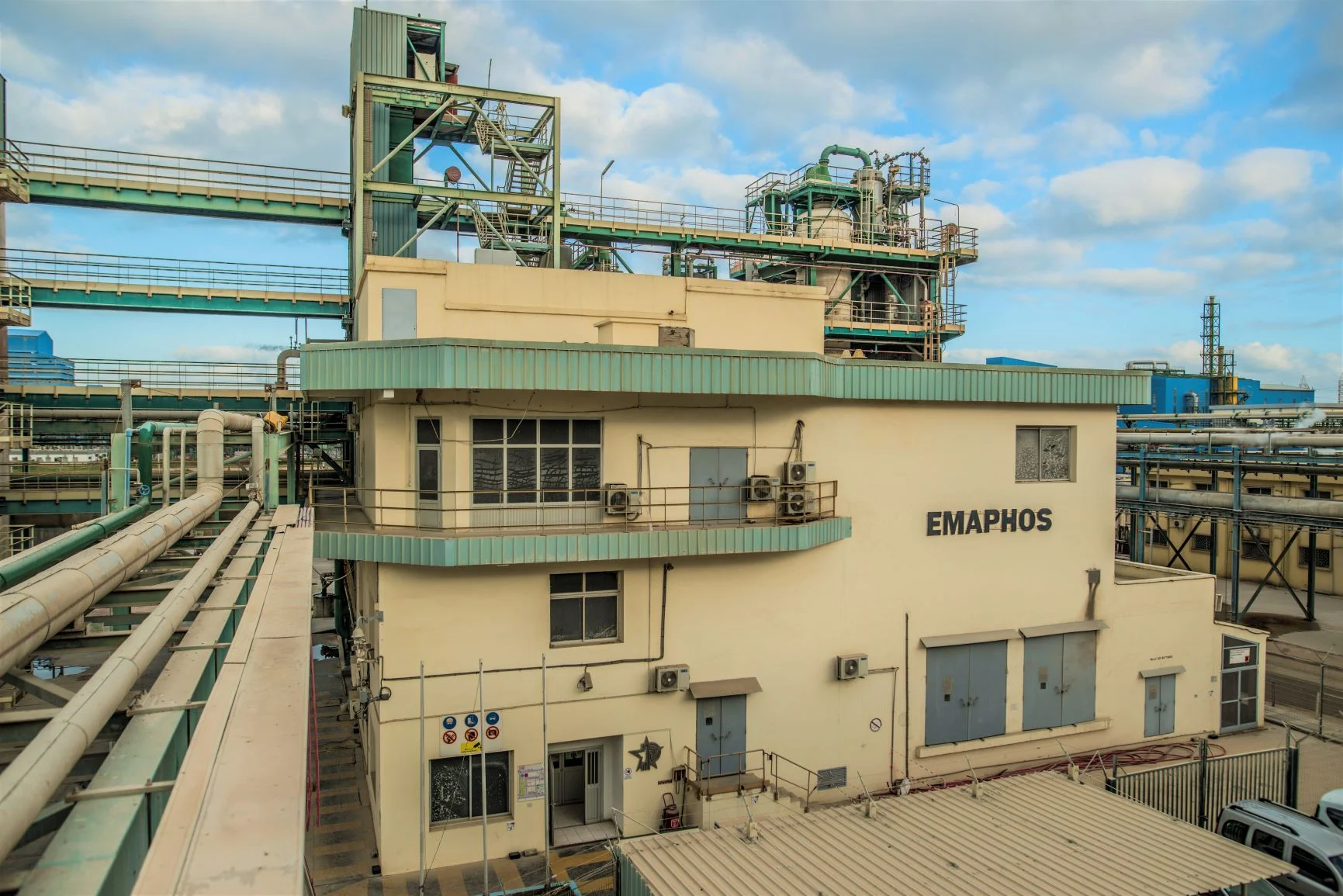
OCP Group plans to increase its ownership interest in purified phosphoric acid (PPA) producer Emaphos by buying the equity stakes currently held by Chemische Fabrik Budenheim and Prayon, the company said 14 October.

UK Energy Group said in a stock exchange announcement on 14 October that its subsidiary UK Energy Storage had signed a five-year memorandum of understanding (MoU) with UK Nuclear.

President Donald Trump has waived additional tariffs on Russian imports and secondary duties on countries purchasing Russian energy.

Russia’s Yefremovazot plans to build a chemical production complex in Yefremov in the country’s Tula region, domestic news agency Interfax reported on 5th October. The proposed facility will produce ammonia, urea, monoethylene glycol (MEG) and methanol. The plans were outlined in public consultation documents for a pipeline connecting the site to gas major Gazprom’s domestic […]
The importance of mineral fertilizers to crop yields and global food security is only understood by around a fifth of US citizens, according to new polling data.