Sulphur 417 Mar-Apr 2025
Gas treatment plant for Basra


IRAQ

Gas treatment plant for Basra

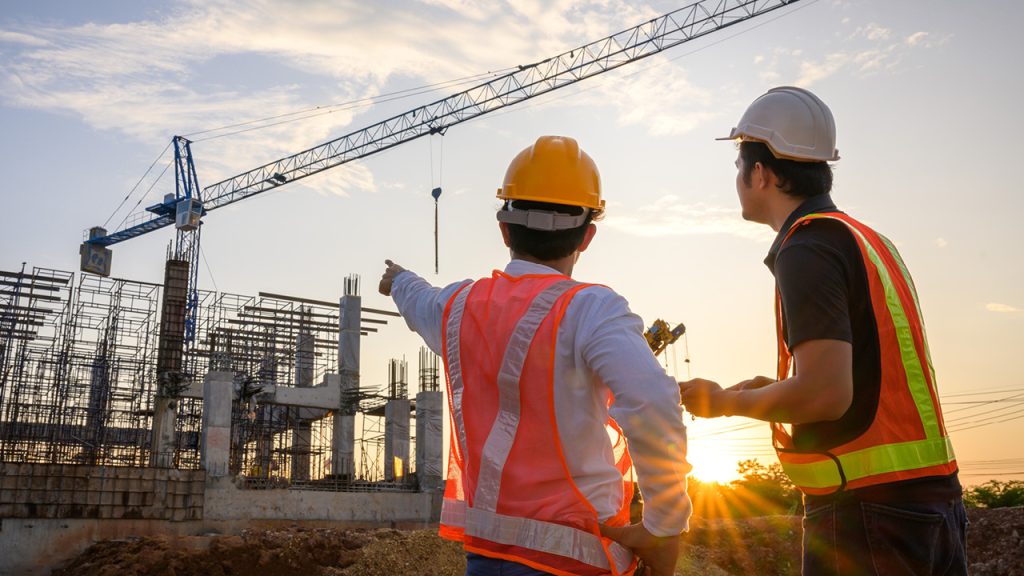
TotalEnergies and its partners Basra Oil Company and QatarEnergy have begun construction works at ArtawiGas25, a processing facility for the associated gas from the Ratawi field, located in the Basra region. The facility, part of the Gas Growth Integrated Project (GGIP), represents an investment of around $250 million and will process 50 million scf/d of gas which would previously have been flared. The gas will supply local power plants, covering the demand of approximately 200,000 households in the Basra region. The GGIP project is a $10 billion project designed to enhance the development of Iraq’s natural resources and improve the country’s electricity supply. It includes a large-scale gas processing plant, with a first phase of 300 million scf/d that will recover gas being flared on three oil fields and supply gas to 1.5 GW of power generation capacity.

Latest in Commodity

CIMC Enric commissions biomethanol project

CIMC Enric Holdings Ltd says that it has commissioned China’s first large-scale biomethanol facility in Zhanjiang, Guangdong Province, marking a major step forward in the decarbonisation of global shipping and clean fuel supply chains. The project, developed by CIMC Enric and its subsidiaries, is designed as a fully integrated closed-loop system converting forestry residues into green methanol for use as marine fuel. With an initial annual capacity of 50,000 t/a, it is the country’s first commercial scale green methanol plant, and is backed by the port of Zhanjiang and abundant local forestry wastes.

World’s largest integrated green hydrogen-ammonia-methanol project

The first 320 MW phase of what China Energy Engineering Corporation Ltd says will ultimately become the world’s largest integrated green hydrogen-ammonia-methanol project HyFlow has officially begun operation in Songyuan City in Jilin Province. With a total investment of nearly $4.30 billion, the Songyuan project uses a “wind-solarhydrogen-ammonia-methanol” integration model, creating an industrial chain that includes hydrogen production and storage, as well as hydrogen-derived chemicals such as ammonia and methanol, hydrogen energy equipment, and scientific research. The project eventually plans to develop 3 GW of renewable energy capacity from wind and solar power, alongside a target production capacity of 800,000 t/a of green ammonia and methanol. The annual production of green hydrogen in the project’s first phase is expected to be equivalent to approximately one-fifth of China’s current total annual green hydrogen production.