Fertilizer International 525 Mar-Apr 2025
Stamicarbon to revamp urea plant


CHINA

Stamicarbon to revamp urea plant

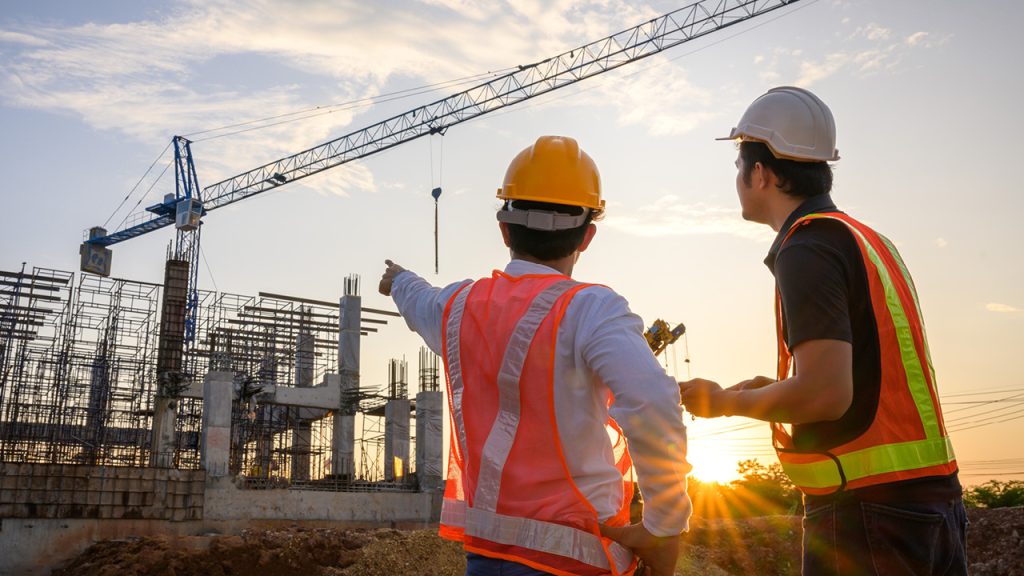
Hulunbeier New Gold Chemical Co has selected Stamicarbon to revamp a urea plant in Hulunbuir, northeastern Inner Mongolia.

Stamicarbon will integrate its proprietary EVOLVE MELT MP Flash design, part of the company’s NX STAMI Urea portfolio, at the plant as part of its revamp. This upgrade will increase the plant’s urea production capacity by about 26% – to 3,600 t/d – while reducing high-pressure steam use by 15%.

Pejman Djavdan, Stamicarbon’s CEO, said: “This project reflects our commitment to innovation and sustainability. By leveraging our knowledge and expertise, we aim to help the industry meet its growing demand for higher efficiency and reduced environmental impact.”

Latest in Asia

MHI successfully produces hydrogen at ammonia cracking pilot plant

Mitsubishi Heavy Industries says that it has succeeded in producing 99% pure hydrogen by cracking ammonia using steam as the heating source. The production of hydrogen at pilot scale using the steam heating was conducted at the company’s pilot plant in the Nagasaki District Research & Innovation Centre, marking a world first. By contrast to technologies that use heat from burner combustion, MHI’s steam heating system operates at lower reaction temperatures, reducing operating costs. In addition, because a combustion furnace is not required, the system offers excellent features such as the potential for miniaturisation.

World’s largest integrated green hydrogen-ammonia-methanol project

The first 320 MW phase of what China Energy Engineering Corporation Ltd says will ultimately become the world’s largest integrated green hydrogen-ammonia-methanol project HyFlow has officially begun operation in Songyuan City in Jilin Province. With a total investment of nearly $4.30 billion, the Songyuan project uses a “wind-solarhydrogen-ammonia-methanol” integration model, creating an industrial chain that includes hydrogen production and storage, as well as hydrogen-derived chemicals such as ammonia and methanol, hydrogen energy equipment, and scientific research. The project eventually plans to develop 3 GW of renewable energy capacity from wind and solar power, alongside a target production capacity of 800,000 t/a of green ammonia and methanol. The annual production of green hydrogen in the project’s first phase is expected to be equivalent to approximately one-fifth of China’s current total annual green hydrogen production.