
Sulphur and the aviation industry
A move towards so-called ‘sustainable aviation fuels’ (SAF) could see refineries having to recast their operations. What might this mean for sulphur production?


A move towards so-called ‘sustainable aviation fuels’ (SAF) could see refineries having to recast their operations. What might this mean for sulphur production?

Sulphur is a relatively safe and inert solid. However, it has a number of unique physical and chemical properties which can give rise to hazards, particularly during transport and handling.
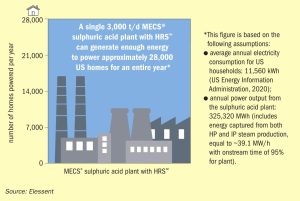
By recovering waste heat as process steam or electrical energy, technologies are available that can help sulphuric acid plants meet their energy goals. Colin Shore of Elessent Clean Technologies discusses how MECS® HRS™ technology can offer a sustainable solution to enhance sulphuric acid plant performance, while lowering its carbon emissions.
The trend for multicomponent analysis of emissions from sulphur recovery units is becoming more widespread. David Inward of Sick reports on a recent field trial to test the suitability of a hot extractive infra-red analyser for this application. In addition to reliably measuring and reporting emissions to air, the analyser is also capable of contributing to reducing overall tail gas emissions by supporting enhanced optimisation of the thermal oxidiser.
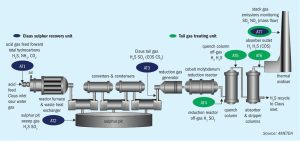
Jochen Geiger of AMETEK Process Instruments reviews SRU process analyser standards, how to choose the right instruments, what to watch out for when selecting the point of installation, responsibilities for the analysers after installation, and how to make best use of the information provided by these analysers. Potential upset conditions and how analysers can help us to understand and mitigate them are also discussed.
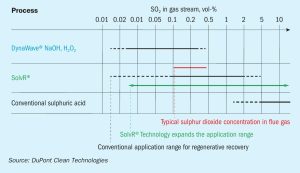
Tightening regulations and growing global competition are increasing the pressure felt by sulphuric acid plant operators to reduce emissions and improve energy output. Conservation of energy is a continuous focus for operators, and environmental communities have grown more vocal in their desire for greater emissions oversight. In this article, DuPont Clean Technologies examines simple, tried, and true tactics, as well as new products and designs that can be incorporated into existing plants to address operating efficiency and emissions and to help to prolong the life of the plant.
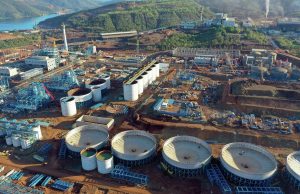
Sulphur’s annual survey of recent and planned construction projects in the sulphuric acid industry includes several large-scale acid plants both for phosphate processing and to capture sulphur dioxide from smelters.

Ron Olson of The Sulphur Institute considers sulphur’s important role in plant health.
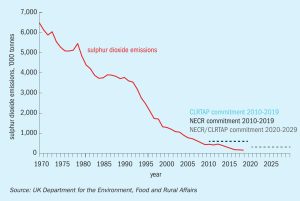
Legislation to control emissions of sulphur dioxide continues to tighten, via vehicle exhausts, and refinery and smelter emissions, leading to increased recovery of both sulphur and sulphur dioxide.