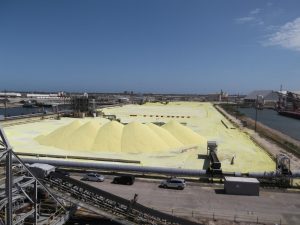
The impetus for sulphur forming
While some sulphur is transported as a liquid, especially in Europe and North America, recent events have highlighted the increased flexibility of solid sulphur supply chains.


While some sulphur is transported as a liquid, especially in Europe and North America, recent events have highlighted the increased flexibility of solid sulphur supply chains.
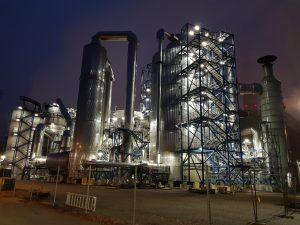
The sulphuric acid market is seeing a contraction due to lack of sulphur availability, demand destruction in the phosphate sector and restricted Chinese exports.
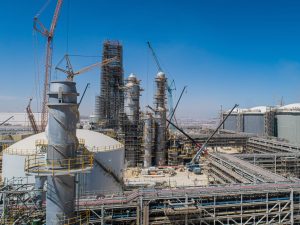
Ambitious expansion plans face exposure to trade route disruption.
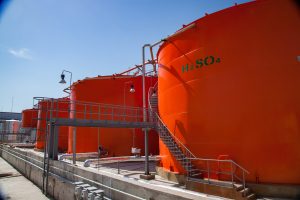
Viviana Alavardo, CRU Sulphur and Sulphuric Acid Analyst, examines how China's 2026 sulphuric acid export suspension removed an estimated 2.8 million tonnes from trade, deepening sulphur shortages. Prices have eased since May but remain historically high amid limited replacement supply.
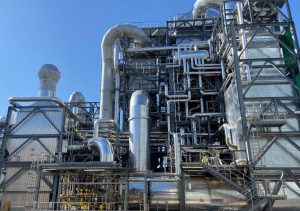
KVT Technology compares its OXYSULF process with a conventional sulphur recovery unit, assessing emissions, energy efficiency and performance for refineries and industrial sites pursuing lower costs and stronger environmental compliance.
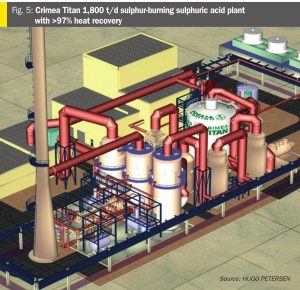
HUGO PETERSEN marks 120 years of sulphuric acid innovation, showcasing integrated, low-emission technologies that maximise heat recovery, energy utilisation and operational flexibility across sulphuric acid and sulphur dioxide production.
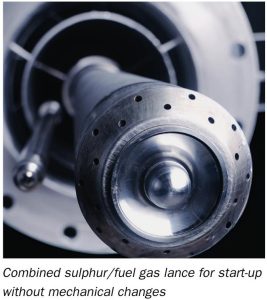
CS Combustion Solutions outlines retrofit options that use improved atomisation, air-side mixing and modular burner inserts to boost sulphur furnace reliability, flexibility and capacity with minimal equipment changes.
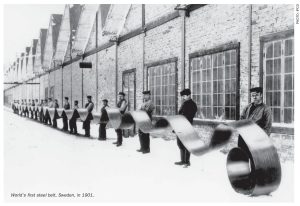
IPCO traces 125 years of innovation from Sweden's first steel belt conveyor to Rotoform pastillation and high-capacity drum granulation, advancing reliable sulphur solidification for global refining and gas processing industries.
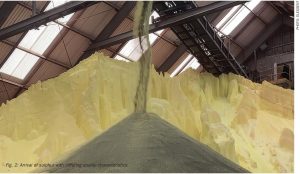
Elessent Clean Technologies explains how rigorous sampling, Certificate of Analysis scrutiny and cross-functional coordination help sulphur buyers manage contamination, acidity and supply quality risks in tightening markets.
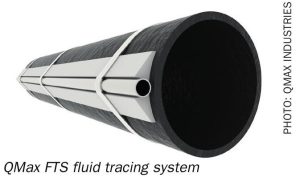
QMax Industries explains why engineered heat tracing is vital to keep molten sulphur safe, preventing solidification, blockages, overpressure, toxic vapours and ignition hazards.