Magazine: Nitrogen+Syngas

Conversion into hybrid ammonia plants

One challenge of a green revamp by stepwise injection of green hydrogen into existing ammonia/urea complexes is to cover the nitrogen demand for the ammonia synthesis while stepwise reducing the front-end load, usually by applying a cost-intensive air separation unit (ASU). thyssenkrupp Uhde GmbH has developed an advantageous concept whereby, instead of an ASU, the nitrogen gap is closed by the introduction of pretreated reformer flue gas back into the ammonia process, with the side effect to also enhance CO2 production.

Introducing ammonia flow-induced corrosion

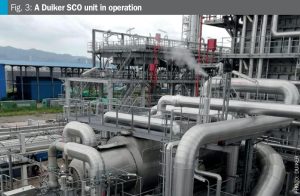
In recent years, extensive and severe internal attack has been observed of carbon steel equipment and lines in aqua ammonia service at several Yara manufacturing sites across the globe. In all cases, the damage has a distinct flow-accelerated corrosion (FAC) signature which challenges the current understanding of FAC. All features typically observed for this kind of damage mechanism, that seem to be specific to the NH3 recovery section of ammonia plant, are reported. Upgrading the material of construction for this unit, will solve this failure mode, but a leak would potentially generate health and safety problem for the release of ammonia.

Making RFNBO compliant ammonia competitive

One of the key challenges of producing RFNBO (renewable fuels of non-biological origin) compliant ammonia is managing the intermittency associated with renewable energy sources for hydrogen production. Furthermore, the additional costs associated with managing this intermittency can be significant. In this article, Dr Solomos Georgiou of AFRY Management Consulting explores those additional costs as well as potential ways to achieve cost savings and make RFNBO-compliant ammonia production competitive against conventional ‘grey’ ammonia.

A sea change?

In our May/June issue I discussed the race to be the next major green shipping fuel, in which methanol and ammonia both remain significant contenders, but which methanol appeared to be pulling ahead in. But more recently, a few stories from the past few weeks have left me not quite as sure as I was about that. Firstly, there’s the news in our Syngas News section this issue that the FlagshipONE green methanol project in Sweden is being delayed and possibly abandoned, because demand for green methanol for shipping has not actually materialised as fast as was anticipated.