
Morocco’s sulphur import bill reaches MAD30.9 billion
Morocco’s import bill for crude and unrefined sulphur rose to MAD30.9 billion ($3 billion) in January-September 2026, from MAD11.2 billion ($1.1 billion) a year earlier.


Morocco’s import bill for crude and unrefined sulphur rose to MAD30.9 billion ($3 billion) in January-September 2026, from MAD11.2 billion ($1.1 billion) a year earlier.

Rama Phosphates has successfully conducted trial production at its new 216,000 t/y single superphosphate (SSP) fertilizer plant at Dhule, India.

The Global Methanol Alliance and engineering firm Green Marine have signed a collaboration agreement focused on methanol training for the maritime sector.

The Asian Development Bank (ADB) and the Government of Japan have signed financing agreements with AM Green for its Kakinada green ammonia project in Andhra Pradesh, India.
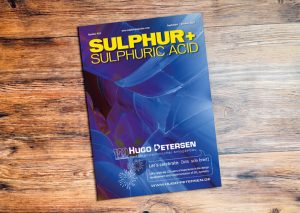
Sulphur magazine has a new title - Sulphur+Sulphuric Acid - better reflecting the editorial focus and breadth of coverage.
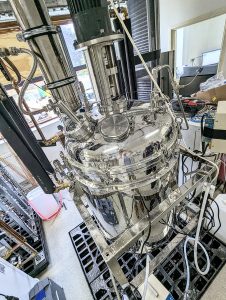
Potassium sulphate (SOP) samples produced at the company’s UK pilot plant are being sent to a number of fertilizer manufacturers and distributors across Europe.
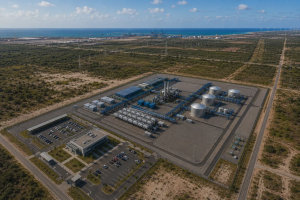
Germany's thyssenkrupp Uhde has signed pre‑FEED contracts with Fuella AS, a Bergen‑based developer and operator of green hydrogen and green ammonia projects founded in 2020, for two 400,000 tpa green ammonia plants at the ports of Pecém and Açu in Brazil.

Construction has begun in northeastern China on a project that will produce 100,000 t/a of green methanol in its first phase from a combination of biomass and wind-powered green hydrogen. The project, part of the Shenyang Wind-Solar-Hydrogen Fusion Biomass Green Methanol Demonstration initiative, will be located in Kang-ping, Shenyang City. In its first phase, the facility will produce 100,000 t/a of green methanol, with construction expected to be completed within 24 months. The plant will gasify waste straw as its primary raw material, which will be processed into synthesis gas. This gas will then be combined with green hydrogen generated from 6.5 MW wind-powered electrolysers to produce low carbon methanol. The plant will also include a biomass pre-treatment facility capable of producing 337,000 t/a of biomass briquettes, providing a stable supply of feedstock.
Diaphragm seals are applied when pressure or level transmitters need to be protected against harsh conditions like the corrosive ammonium carbamate in urea plants. The process pressure is transmitted via the flexible diaphragm and transmission fluid to the measuring instrument as shown in Fig. 1 below.
A complete listing of all articles and news items that appeared in Sulphur magazine during 2025.