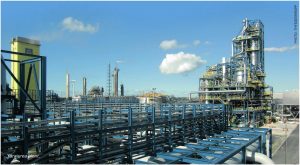
Modernising urea plants
Revamping existing urea plants can deliver significant improvements – including higher capacity, lower costs and reduced emissions.

Revamping existing urea plants can deliver significant improvements – including higher capacity, lower costs and reduced emissions.

BASF says that it has signed a cooperation agreement with Plug Power to offer BASF’s advanced DeOxo catalysts as part of Plug Power’s hydrogen liquefaction plants globally to enhance their market offerings, improving reliability and cost efficiency. DeOxo catalysts, including the Purivate™ Pd15 product, offer exceptional performance at low temperatures, reducing the need for expensive […]
thyssenkrupp Uhde and Uniper are entering into a strategic partnership to bring large-scale ammonia cracking technology to technological maturity. In the first phase, a demonstration plant with a capacity of 28 t/d of ammonia per day will be built at Uniper’s Gelsenkirchen-Scholven site in Germany. The plant will serve as the basis for the planned […]
KBR says that they have been awarded a second ammonia cracking technology contract by Hanwha Impact Corporation for its clean power generation facility in Korea. Under the terms of the agreement, KBR will provide technology licensing, proprietary engineering design and equipment, and services for a 214 t/d hydrogen facility. The plant will use KBR’s proprietary […]

BASF has expanded its sustainable product portfolio by launching two new renewable ammonia grades; renewable ammonia and renewable 24.5% ammonia solution. BASF produces the renewable ammonia grades at its Verbund site in Ludwigshafen by feeding renewable hydrogen into the ammonia plant, reducing the plant’s natural gas consumption. The plant uses both gas-based hydrogen as well […]
NH3 Clean Energy, Pilbara Ports Authority, and Oceania Marine Energy have established a Joint Development Agreement (JDA) in order to establish hydrogen-derived, low-emission ammonia bunkering operations at the Port of Dampier in Australia by 2030. Under the terms of the JDA, the partners will collaborate to deliver the necessary infrastructure, regulatory approvals, and commercial frameworks […]
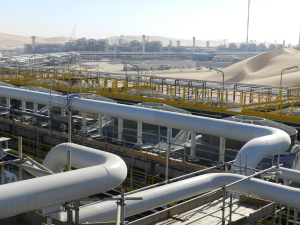
New sulphur production from Chinese and Indian refineries and Middle Eastern sour gas and the ramp up of nickel leaching projects in Indonesia continue to change the direction of sulphur trade.
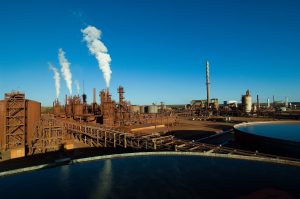
The progressive closure of smelter capacity in Australia poses potential problems for acid consumers across the country.
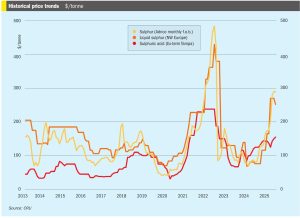
• Global sulphur prices are expected to experience decreases over the next few weeks. Buyers in Asia report that they are covered for contracted supply throughout July, and domestic prices in China are likely to decrease further, putting downward pressure on sulphur prices.

S&P has raised its 10-year production outlook for the Canadian oil sands. The latest forecast expects oil sands production to reach a record annual average production of 3.5 million bbl/d in 2025 (5% higher than 2024) and exceed 3.9 million bbl/d by 2030; half a million barrels per day higher than 2024. The 2030 projection is 100,000 bbl/d (or nearly 3%) higher than the previous outlook. Despite a lower oil price environment, the analysis attributes the increased projection to favourable economics, as producers continue to focus on maximising existing assets through investments in optimisation and efficiency. While large up-front, out-of-pocket expenditures over multiple years are required to bring online new oil sands projects, once completed, projects enjoy relatively low breakeven prices.