Asia
29 July 2026
India sets out new fertilizer security package
Written by Natalie Noor-Drugan
India’s government has set out a package of measures to strengthen domestic fertilizer production, diversify raw material and import sources, and ensure uninterrupted availability of fertilizers despite global supply disruptions and price volatility. Domestic output is influenced by feedstock availability, international price swings and plant shutdowns, so authorities have moved to broaden sourcing and secure 2.5 million tonnes and 1.77 million tonnes of urea through global tenders in April and June 2026, respectively, totalling 4.27 million tonnes.
To keep product flowing to farms, the Department of Agriculture & Farmers Welfare works with State governments to assess seasonal requirements, while the Department of Fertilizers allocates supplies via monthly plans and tracks movements through the Integrated Fertilizer Management System (iFMS). Weekly review meetings with State officials and forward imports are used to maintain continuity of supply.
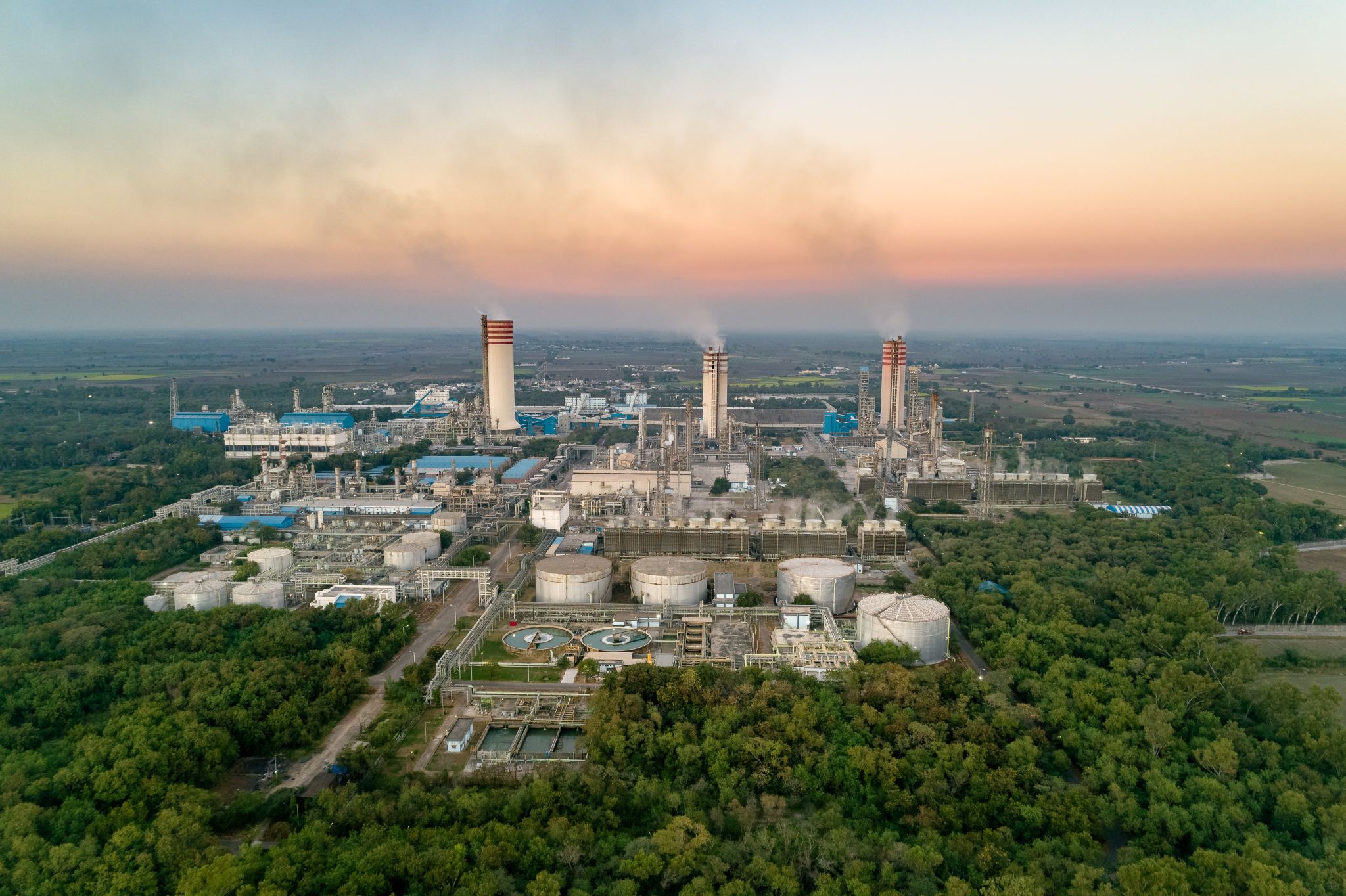
Under the New Investment Policy (NIP) 2012, six new urea plants have been commissioned, each with around 1.27 million tonnes per year of capacity, adding 7.62 million tonnes per year to India’s installed urea capacity. These include joint‑venture units at Ramagundam (RFCL) in Telangana and Gorakhpur, Sindri and Barauni (HURL) in Uttar Pradesh, Jharkhand and Bihar, along with private plants at Panagarh (Matix Fertilizers and Chemicals) in West Bengal and Gadepan‑III (Chambal Fertilizers and Chemicals) in Rajasthan. As a result, indigenous urea capacity has risen from about 20.75 million tonnes per year in 2014‑15 to roughly 26.94 million tonnes per year in 2026‑27.
The government is also progressing the Talcher Fertilizers Limited project and has approved a 1.27 million tonnes per year brownfield ammonia‑urea complex at Namrup, Assam, to be developed as Assam Valley Fertilizer and Chemical Company Limited (AVFCCL). For existing gas‑based urea plants, the New Urea Policy (NUP) 2015 aims to maximise output beyond reassessed capacity, delivering an extra 2.0–2.5 million tonnes of urea annually compared with 2014‑15 levels.
Thanks to these measures, urea production has increased from 22.5 million tonnes in 2014‑15 to a record 31.41 million tonnes in 2023‑24, with 29.33 million tonnes produced in 2025‑26. In parallel, the National Investment Policy for Urea‑2026 (NIPU‑2026), approved on 15 July 2026, is designed to support around 8–9 new gas‑based urea plants and add a further 10 million tonnes of domestic capacity.
On the phosphates and potash side, India operates the Nutrient Based Subsidy (NBS) scheme, in place since 2010, under which P&K fertilizers are imported or manufactured under an Open General License. For Kharif 2026 (India’s April–September monsoon cropping season), NBS rates worth INR 415.34 billion ($4.98 billion) have been approved to secure supplies. Recent guidelines on maximum retail price are intended to promote domestic phosphatic output by allowing importers, standalone manufacturers and integrated producers reasonable profit margins, while the number of P&K grades covered under NBS has expanded from 22 in 2021 to 28. Freight subsidy on single superphosphate (SSP), introduced for Kharif 2022, supports wider use of SSP as a local source of phosphatic nutrient.