Africa

Dangote lifts Ethiopia plant spend to $4bn

Written by Natalie Noor-Drugan


Dangote Group has lifted planned investment in its Ethiopian fertiliser project to more than $4 billion, adding NPK capacity and key infrastructure to a urea complex first costed at about $2.5 billion under a 2025 deal with Ethiopia’s sovereign wealth fund.

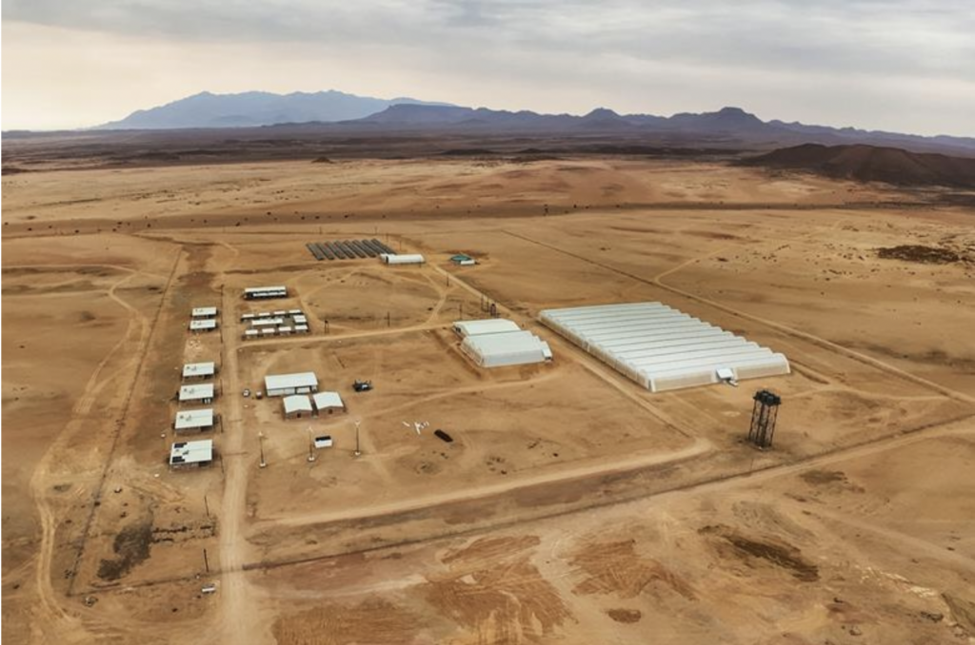
Dangote disclosed the higher figure during a mid‑May visit by Nigerian billionaire Aliko Dangote and Ethiopian prime minister Abiy Ahmed to the construction site in Gode, in Ethiopia’s Somali region. The project was originally set out in an August 2025 shareholders’ agreement between Dangote Group and Ethiopian Investment Holdings (EIH), which put development costs for a urea fertiliser plant at up to $2.5 billion and gave Dangote a 60% stake and EIH 40%.
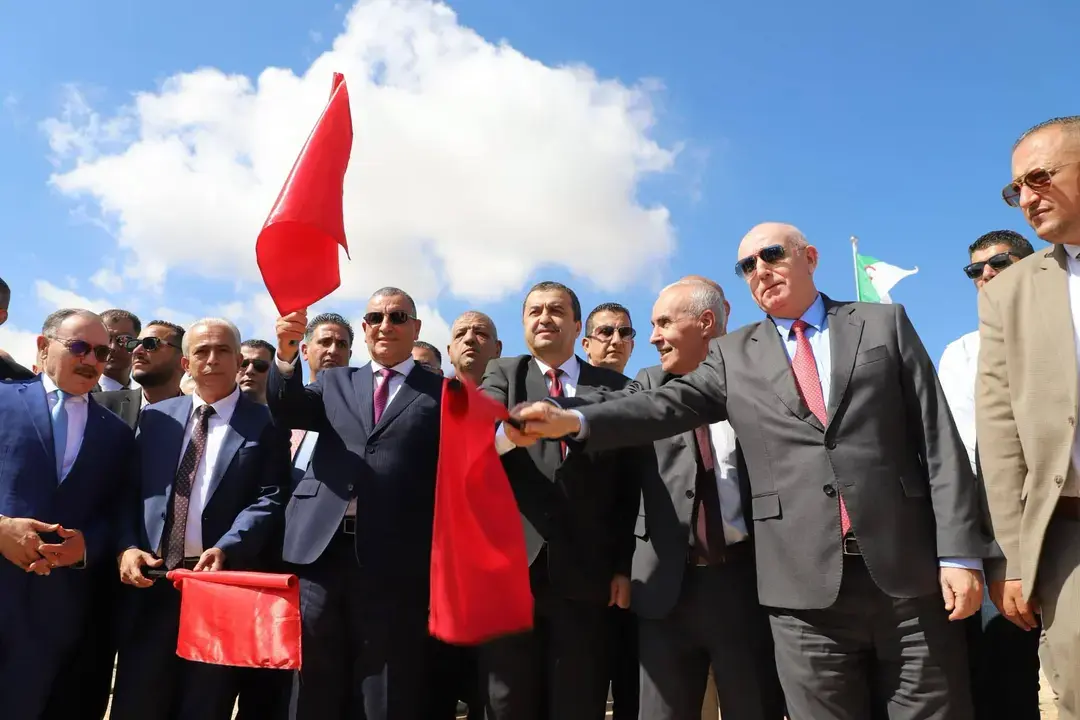

Company and government statements now say total planned investment has risen to more than $4 billion as the scope has widened beyond the 3 million tonne a year urea unit. The updated plan includes a 110 km natural gas pipeline to supply the plant, a 120 MW power plant, a polypropylene packaging facility and a 2 million tonne a year NPK blending plant on the same site. The NPK unit will allow Ethiopia to move from importing finished NPKs to blending them domestically, using urea from the Gode complex alongside phosphate and potash‑based inputs.

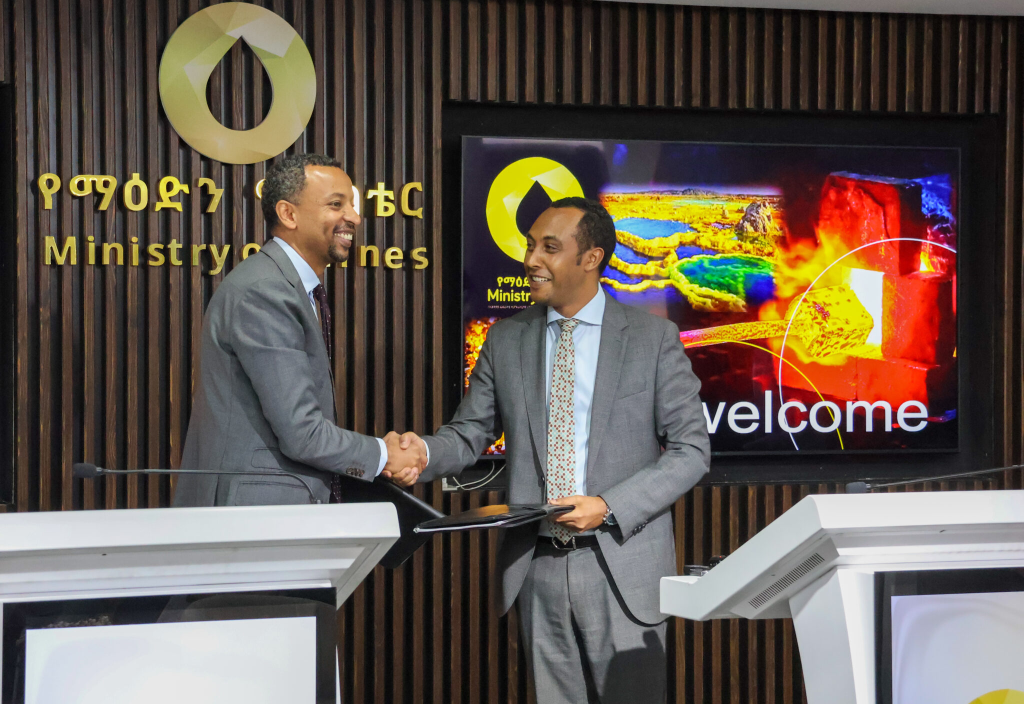
Ethiopian Investment Holdings has also been stepping up its role on the upstream side of fertiliser inputs. In March, EIH signed a potash mining agreement with the Ministry of Mines, described as an important step towards unlocking Ethiopia’s potash resources and supporting agricultural value chains as well as wider industrial capacity. Officials say they want to issue licences to operators that will actively develop potash rather than hoard reserves, positioning the sector to benefit from growing global demand for fertilisers and critical minerals.

Taken together, the enlarged Dangote complex and EIH’s potash push form part of the same fertiliser‑security strategy: large domestic urea output, new NPK blending capacity, and a path to local potassium supply to reduce reliance on imported finished product. Ethiopian authorities continue to present the Gode investment as one of the country’s biggest industrial projects and a cornerstone of efforts to boost food security and capture more value from local gas and mineral resources.

Latest in Africa