Community
3 February 2026
FLA Miami 2026: Green shifts, trade walls, and Brazil's fertilizer power play
Written by Natalie Noor-Drugan
Fertilizer Latino Americano (FLA) convened 28-30 January 2026 at Trump National Doral in Miami, pulling in industry heavyweights amid market turbulence: EU CBAM uncertainty, Iran conflict risks, Mosaic’s SSP shutdowns in Brazil over soaring sulphur costs, US natural gas topping $6.5/MMBtu, and buzz around an imminent Indian urea tender.
Day 1: Sustainability push and green ammonia breakthroughs
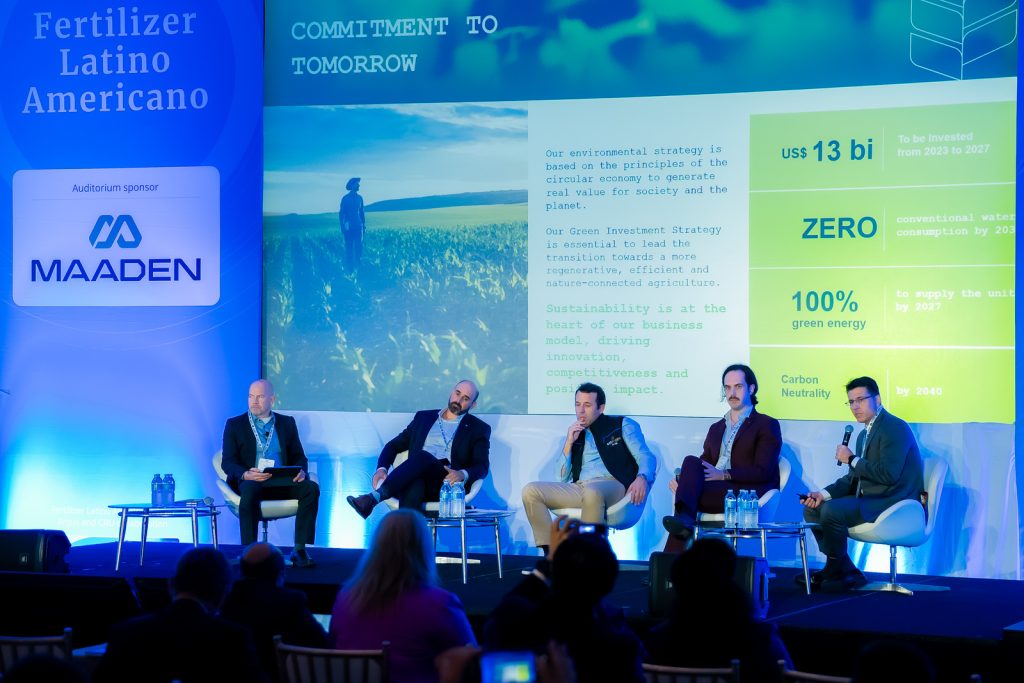
Day one launched with keynote panels on Latin America’s drive toward sustainability and the decarbonisation of fertilizers. OCP Brazil’s Henrique Mattos spotlighted a massive €13 billion investment by OCP Group from 2023-2027, aiming for zero conventional water use and 100% green energy by 2027, plus full carbon neutrality by 2040. This effort leans on OCP Nutricrops’ precision soil mapping and tailored nutrition tech to support farmers, people, plants, and the planet.
Yara Brazil’s Marcelo Altieri centered sustainability on farmer profitability, embedding science and technology in every decision: “No green transitions with red numbers.” He called for cross-industry partnerships to unlock new revenue streams. Eti Maden’s Haluk Gani noted booming agricultural boron demand—from 2% to 15-20% of their 2.5 million tonne annual sales—as farmers quickly see returns on this key micronutrient.
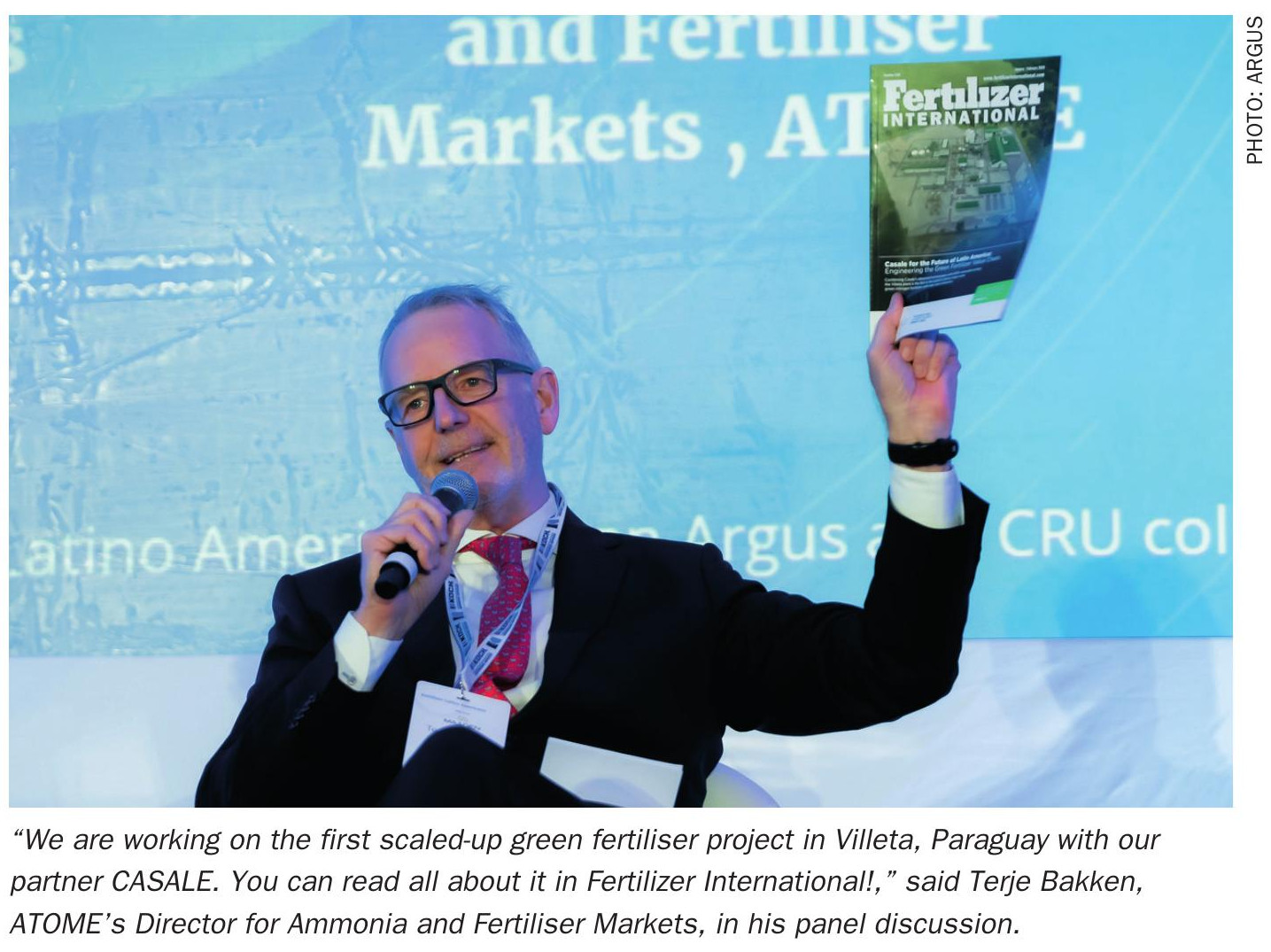
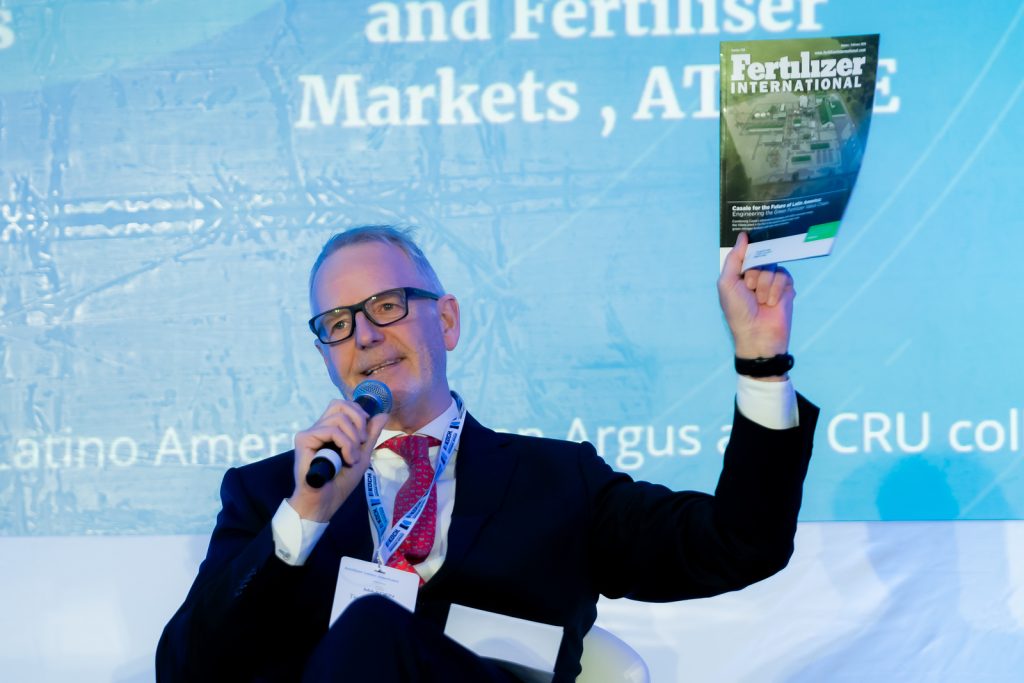
ATOME’s Terje Bakken announced that the Villeta plant in Paraguay is nearing financial close. It will be Mercosur’s first large green fertilizer facility, using local energy to match import prices without high green premiums. Meanwhile, Atlas Agro’s Lieven Cooreman presented the $1.1 billion Uberaba project in Brazil as a case of “power shoring.” It uses Brazil’s 88% renewable energy grid to cut reliance on imported nutrients, while passing green premiums along the supply chain to make them affordable for end-users. Casale’s Paolo Bonucci highlighted the company’s combined EPC (engineering, procurement, and construction) and production technology expertise. This covers green, blue, and grey ammonia production, as well as complex fertilizers such as nitric acid and calcium ammonium nitrate (CAN).
Day 2: Trade barriers and Brazil’s bold strategy
Day two at FLA 2026 tackled the shifting landscape of global trade rules, tariffs, and duties impacting fertilizer flows. Fertistream’s Milton Sato highlighted how these “trade limits”—primarily the EU’s Carbon Border Adjustment Mechanism (CBAM), plus emerging tariffs and restrictions from the EU, China, and US—are creating real headwinds for importers.
He explained CBAM’s rollout: its transitional phase began January 2026, sparking a rush of front-loaded imports into Q4 2025 as buyers stockpiled to avoid unclear carbon taxes and eligibility debates. Meanwhile, China’s ammonium sulphate—a low-cost byproduct of caprolactam production—is emerging as a urea alternative, shipped in larger supramax and panamax vessels to meet rising demand.
Sato forecasted bullish prices for nitrogen, phosphate, and potash heading into 2027, as these barriers curb supply, raise logistics costs, and tighten market access overall.
In another presentation, Brazil’s agriculture ministry official Jose Carlos Polidoro presented a clear roadmap for the country’s 2025-2029 National Fertilizer Plan, designed to transform Brazil into a global leader in fertilizer production by 2030. The plan targets a major ramp-up in domestic output—from 7.21 million tonnes in 2024, which covered just 17% of demand, to 19.6 million tonnes by 2030, meeting 35% of needs—requiring around $25 billion in new investments over this period.
The Plan aims to slash Brazil’s heavy import dependence from 85% today to 50% by 2050, with specific goals for each nutrient: nitrogen imports down from 93% to 50%, phosphates from 72% to 34%, and potash from 98% to 45%. Key priorities include creating a business-friendly environment to cut investment costs, building a modern industry around low-carbon technologies, energy efficiency, bio-based inputs, and high-tech materials, plus fostering public-private partnerships—such as with Petrobras—to drive production.
Day 3: Phosphates’ full potential and logistics crunch
OCP’s Wafaa Settar challenged the narrow agronomic view of phosphates, repositioning them as essential throughout the entire crop cycle—not just at planting as “starter” nutrients. She highlighted their role in boosting nutrient use efficiency (often below 20-30% today), building plant resilience to stress and drought, and delivering calcium for stronger cell walls, firmer fruit, and better quality from flowering through harvest.
With soils under pressure and regulators, retailers, and consumers demanding lower environmental impact, Settar advocated precise nutrient separation—applying the right fertilizer at key crop stages—to minimise competition between nutrients and maximise uptake and yields.
Separately, a panel of shipping experts zeroed in on surging Chinese ammonium sulphate volumes, now accounting for 28% of Brazil’s fertilizer imports by origin, loaded onto larger supramax and panamax vessels that cut some long-haul costs. However, experts warned of mounting pressures: 2.2 million tonnes due in Brazilian ports over the next 60 days could spark wider congestion, beyond current issues at Francisco Do Sul.
FLA 2026 marked a clear turning point for Latin America toward more sustainable, local fertilizer production and supply resilience.