Sulphur 420 Sep-Oct 2025

Codelco warns Chile’s copper output could stagnate


Codelco warns Chile’s copper output could stagnate

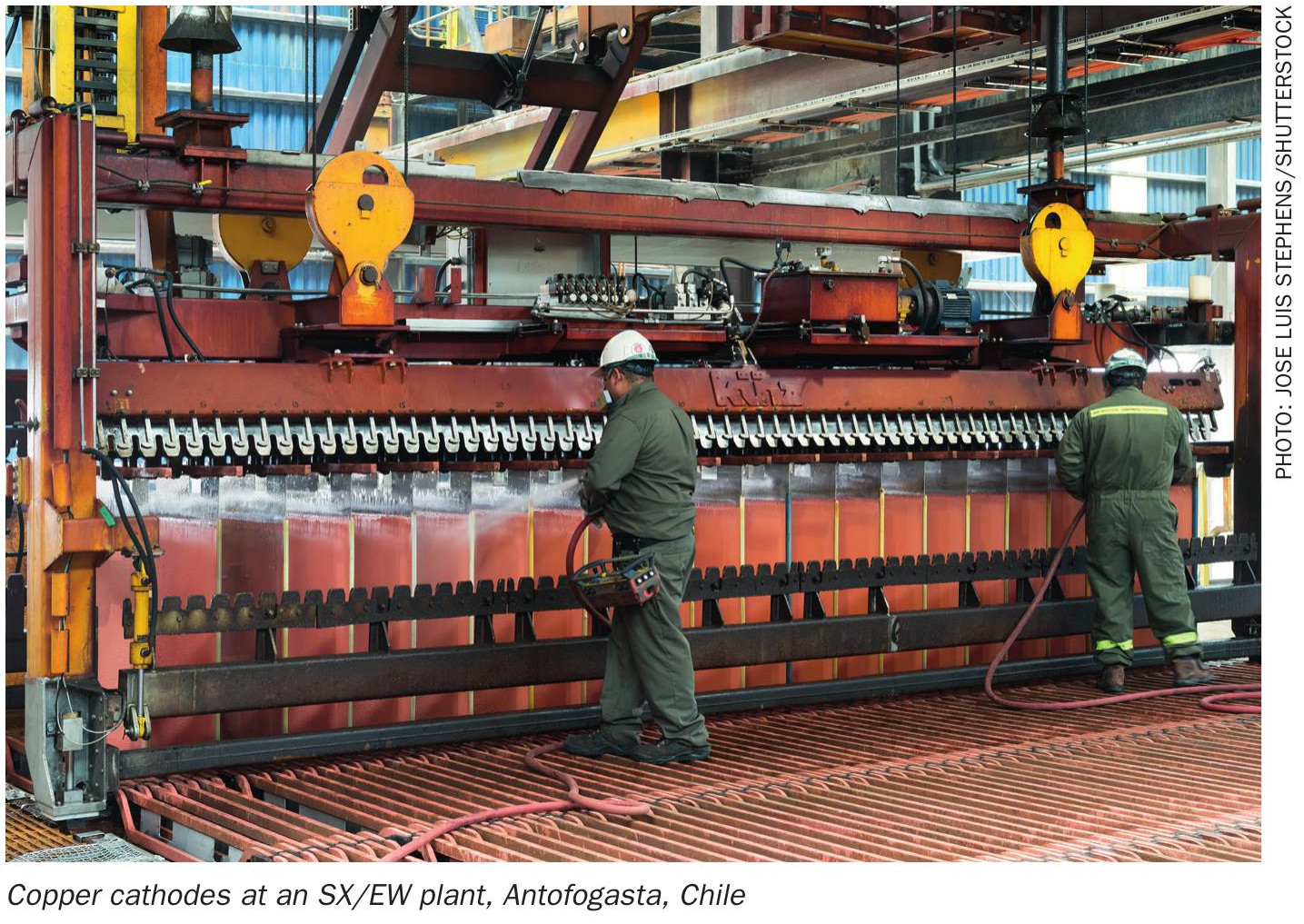
Copper production in Chile may stall at around 5.5 million t/a because of the growing challenges mining companies face, according to Maximo Pacheco, chairman of state-owned Codelco. Deeper mining operations, falling ore grades and rising costs all reduce the chance of overall output increasing, he told an industry conference. Nevertheless, Codelco is pressing ahead with a multi-billion dollar investment programme with the goal of returning to a historic production rate of 1.7 million t/a, compared to the current 1.35 million t/a or so.

Pacheco’s comments, reported by sector journal Mining.com, coincide with the company having evacuated workers from El Teniente in recent days due to an earth tremor, a month after an earthquake caused a rockfall which killed six workers and injured nine. Following that incident, Codelco revised its 2025 production guidance downwards to between 1.34 – 1.37 million tonnes of copper, from a March estimate of 1.37 – 1.40 million tonnes.


Latest in Industrial

Devon and Coterra merger creates shale major

Devon Energy has signed a definitive merger agreement with Coterra Energy. The companies say that the combination will create a leading shale operator with a high-quality asset base anchored by a premier position in the economic core of the Delaware Basin. The combined company will be named Devon Energy and will be headquartered in Houston while maintaining a significant presence in Oklahoma City. The companies say that they have identified $1 billion in annual pre-tax synergies which, together with technology-driven capital efficiency gains and optimised capital allocation will drive near and long-term per share growth.

Coromandel starts trial operations at new acid plants

Coromandel International says that it has started trial production at its new sulphuric acid and phosphoric acid plants in Kakinada, Andhra Pradesh. The company says that this marks a crucial step towards transforming the unit into a fully integrated facility, significantly enhancing production capacity and diminishing reliance on imported raw materials for fertiliser manufacturing. The company is now focusing on a phased ramp-up. The new plants have of 2,000 t/d of sulphuric acid and 650 t/d of phosphoric acid, respectively. The integration of these acid plants is strategic, aligning with Coromandel's objective to strengthen backward integration in its fertiliser manufacturing value chain. By producing key intermediates in-house, the company aims to secure stable supplies, enhance cost efficiencies, and achieve greater self-sufficiency, thereby reducing dependence on imported raw materials. The project aims to replace over 50% of the Kakinada plant's imported acid requirements and mirror the integration levels seen at its Vizag and Ennore facilities.