Fertilizer International 527 Jul-Aug 2025

MustGrow and Phospholutions sign distribution agreement


MustGrow and Phospholutions sign distribution agreement

RhizoSorb® can increase phosphorus efficiency by up to 50% when substituted for conventional commodity fertilizers and applied to corn and other crops.

Phospholutions entered into a distribution agreement with MustGrow in June. This allows MustGrow to sell RhizoSorb through NexusBioAg, its Canadian sales and distribution division.

RhizoSorb® is a patented technology designed to substitute for conventional commodity fertilizers such as monoammonium phosphate (MAP) and diammonium phosphate (DAP). The technology, because it can be integrated into the phosphate production process, offers the same ease of application as these traditional granular fertilizers, while requiring no changes to existing equipment or practices.

RhizoSorb® increases phosphorus efficiency by up to 50%, according to Phospholutions, allowing farmers to half the amount of phosphorus traditionally applied, while maintaining (and even improving) yield. By optimising fertilizer inputs and reducing costs without sacrificing yield, the resulting improvement in nutrient use efficiency translates to a better return on investment for growers – equating to potential savings of up to $20 per acre.

In addition to its economic benefits, RhizoSorb® delivers a host of environmental advantages, according to Phospholutions, such as reducing CO2 e emissions by 45%, phosphorus runoff by 78% and leaching by 84%, compared to conventional MAP fertilizer.

“With approximately 94.5 million acres of crop production that depend on phosphate, Canada is a key market,” said Craig Dick, sales and marketing VP at Phospholutions. “We are proud to partner with MustGrow to deliver RhizoSorb® to retailers and growers across Canada.”

“This partnership marks another major milestone in Phospholutions’ journey,” added Hunter Swisher, CEO of Phospholutions. “Partnering to bring more cost-effective fertilizer solutions to the Canadian market supports our broader global expansion efforts.”

“MustGrow and Phospholutions share a common mission to improve the global food system through sustainable production solutions,” said Colin Bletsky, COO of MustGrow. “Phosphorus is the second most-used nutrient in global food production, making its efficient and responsible use a top priority for both our companies and the growers we serve.”

Phospholutions also signed a US distribution agreement with The Andersons in May. This allows The Andersons to distribute RhizoSorb® from the 2026 crop year onwards.

“We are thrilled to expand our partnership with The Andersons through this distribution agreement,” said Hunter Swisher. “Their trusted presence in the Midwest and long-standing commitment to innovation in agriculture make them an ideal partner as we scale RhizoSorb across the U.S.”

Alongside this distribution agreement, Maumee Ventures, The Andersons venture capital arm, recently led an additional round of investment in Phospholutions, underlining their confidence in the company, its technology and long-term vision.

“As an early investor and partner, we continue to be impressed by the progress the company has made in scaling their solution to improve phosphorous efficiency, and we are looking forward to this next chapter in our relationship with the company,” said Andy Spahr, SVP for Agribusiness at The Andersons. “As a result, growers throughout the U.S. will soon benefit from greater access to sustainable and high-efficiency phosphorus solutions for staple crops like corn and soybeans.”

Tim Mahoney was recently appointed VP of business development at Phospholutions. He will play a key role in expanding partnerships and supporting international expansion, manufacturing and distribution of RhizoSorb® .

“This agreement with The Andersons is a pivotal moment for Phospholutions and for retailers seeking relief from a supply constrained market,” said Mahoney.

“We’re committed to ensuring RhizoSorb® is readily available and well-supplied to our channel partners.”

Latest in North America

Alberta wildfires stopped near key oilsands sulphur facilities

The immediate threat to Canadian sulphur supply from the Alberta oilsands has eased, after several large wildfires in the Lac la Biche region were classified as “being held” with the help of rainfall in early June. The region has a combined annual sulphur production capacity of nearly 3 million t/a. Around 700,000 t/a of this is produced in the Edmonton area, primarily from Shell’s Scotford upgrader (580,000 t/a) and the Redwater refinery (130,000 t/a). The majority of the output, approximately 2.2 million t/a, is concentrated further north near Fort McMurray at facilities operated by Suncor, Syncrude, and CNRL Horizon. The out-of-control fires prompted evacuation alerts near in-situ sites operated by Cenovus, Canadian Natural Resources, and ConocoPhillips. While this specific threat has passed, the event highlights the seasonal vulnerability of Canadian sulphur supply, with the wildfire season typically running through the summer.

Travertine processes Ariane phosphate samples

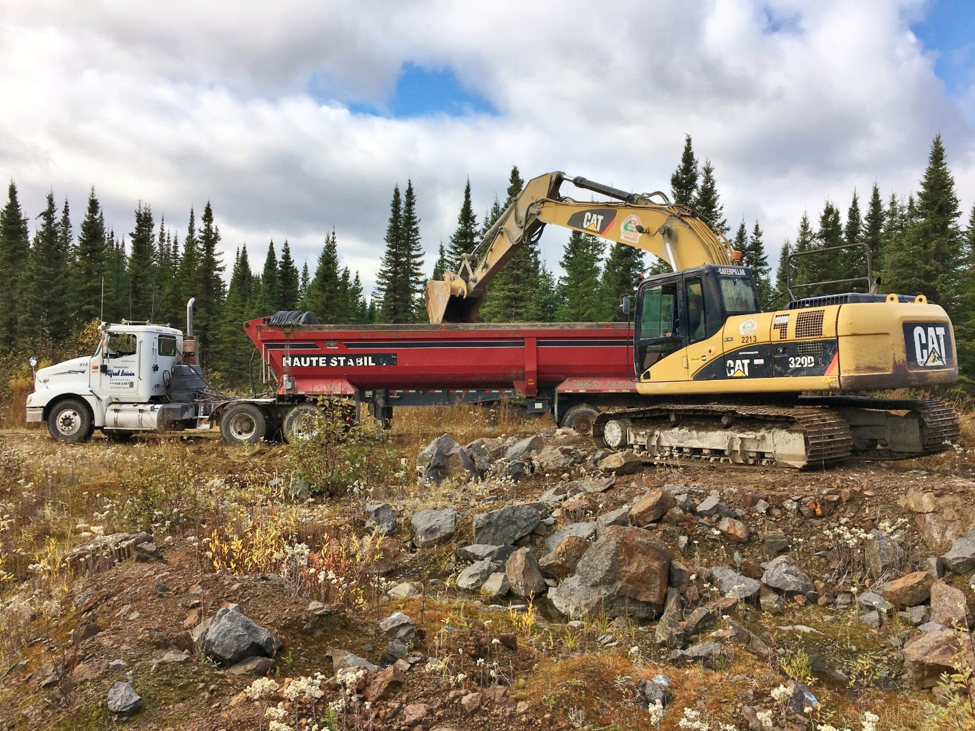
Arianne Phosphate has provided samples of its phosphate concentrate for processing at Travertine’s facility in Boulder, Colorado, US. Pilot scale testing was successfully performed, demonstrating proof of concept on the process and production of a high-quality purified phosphoric acid (PPA). The Travertine process captures and recycles over 95% of the sulphur used in the process of making PPA, providing a virtually closed loop system. The PPA produced using the process met specifications required for both LFP batteries as well as fertilizers. The companies have begun work to advance the PPA demonstration plant in Quebec’s Saguenay-Lac-Saint-Jean region, working with potential partners as well as end-users of the product.

Yara acquires Gulf Coast Ammonia plant

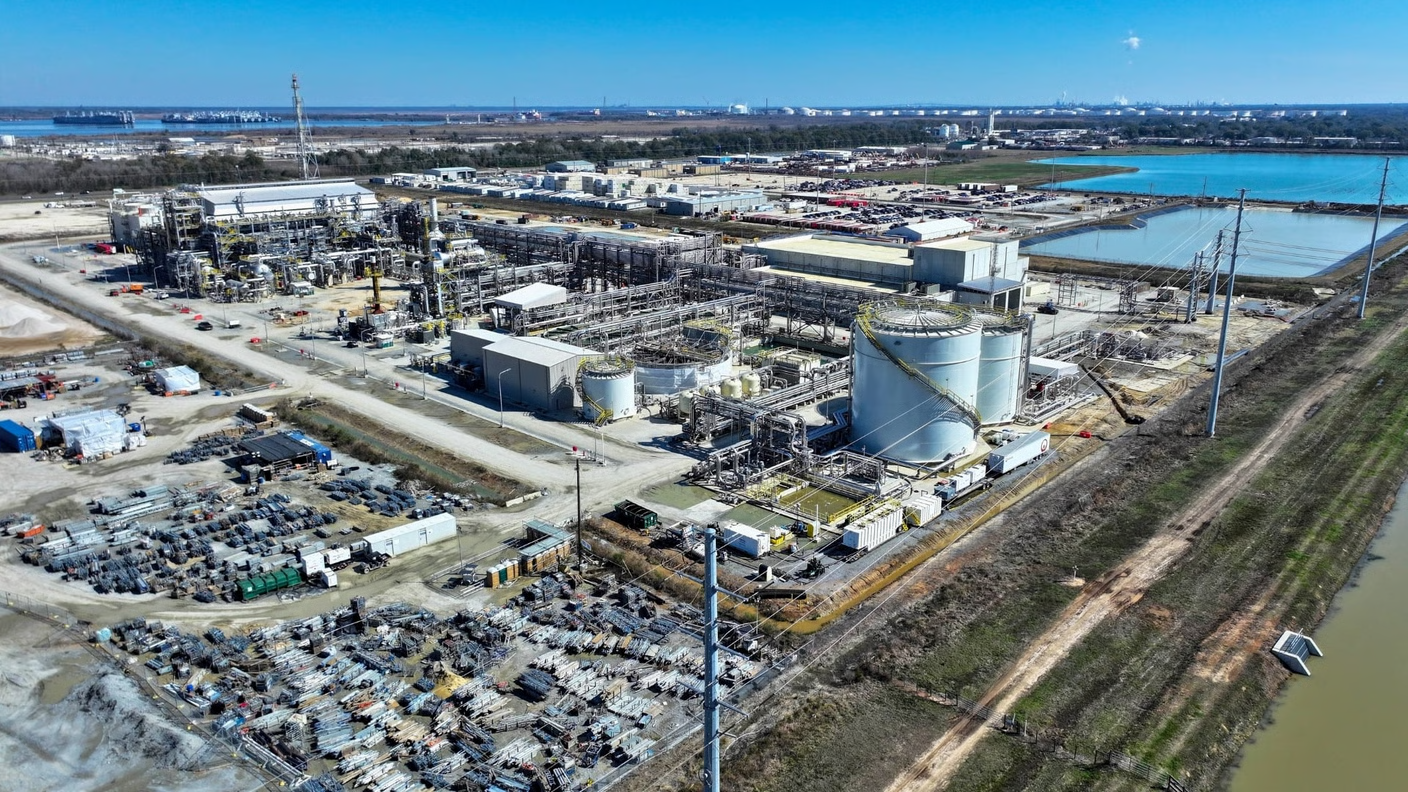
Yara International has reached an agreement to acquire Gulf Coast Ammonia’s (GCA) ammonia production facility in Texas City, Texas from GCA Holdings LLC, for a consideration of $ 1.3 billion. Yara says that the acquisition is part of its strategy to diversify its energy exposure and enhance the competitiveness of its global ammonia production footprint. Yara will own the ammonia plant with an expected nameplate capacity of 1.3 million t/a, with Air Products supplying industrial gases to Yara as part of a long-term supply agreement. Yara will use its midstream ammonia platform to supply both external customers and its own internal sourcing needs.