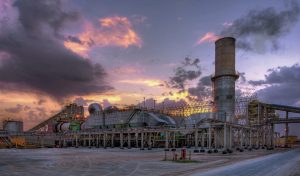
Life cycle of a sulphur melting plant
Sulphurnet discusses the importance of a whole life cycle cost analysis at the conceptual design phase when making investment decisions about new sulphur processing facilities.
Blasch Precision Ceramics reports on the deployment of VectorWalls™ to improve the performance of the SRU thermal incinerator and provide benefits such as lower fuel gas consumption and lower CO2 emissions.
Sulphur Experts Inc. combines new learnings, historical data, and recent onsite experience from operating companies to show what factors really impact ammonia plugging risk and what can be done to control them in order to allow for a wider operating range for SWS processing in the refinery SRU.
A complete listing of all articles and news items that appeared in Sulphur magazine during 2022.
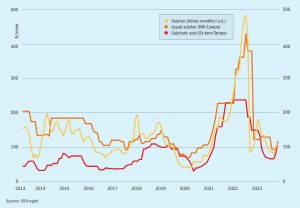
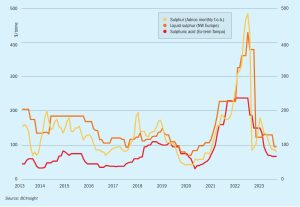
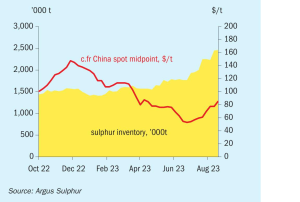
Meena Chauhan, Head of Sulphur and Sulphuric Acid Research, Argus Media, assesses price trends and the market outlook for sulphur.
Processed phosphates pricing will be a major influence in the coming months. A gap remains between historical levels of sulphur and DAP pricing that points to the potential for sulphur prices to recover to higher levels during 2023.
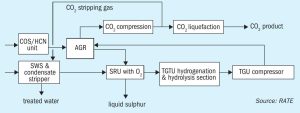
Fluor demonstrates how SRU/TGTU plants within sour gas facilities can facilitate the capture of CO2 and generate H2 by implementing advanced sulphur recovery technologies.
It has long been known that sulphur dioxide aerosols can reflect sunlight back into space. On a large scale, this has tended to come from volcanic eruptions. The explosion of the island of Krakatoa in 1815 led to the following year, 1816, becoming known in Europe as ‘the year without a summer’. More recently, it is estimated that the eruption of Mount Pinatubo in the Philippines in 1991, the second largest eruption of the 20th century, sent around 18 million tonnes of SO2 into the stratosphere. Temperatures in the troposphere – the atmospheric layer closest to the earth – dropped by about 0.5°C as a result for about two years afterwards.
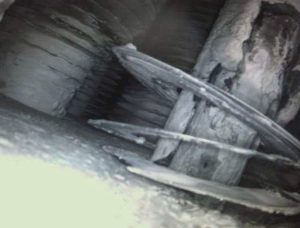
When candle filter mist eliminators installed in the absorption towers in sulphuric acid plants are not sufficiently wet, problems can occur such as free SO3 at the stack, NOx issues and emission non-compliance. Begg Cousland Envirotec discusses how these problems can be overcome by the installation of an annular wetting ring solution.
Industry turnover is a reality, and keeping new employees informed of hydrogen safety procedures in sulphuric acid plants is key to keeping plants fully operational and incident free. Elessent Clean Technologies discusses the steps facilities need to take to prevent hydrogen incidents.