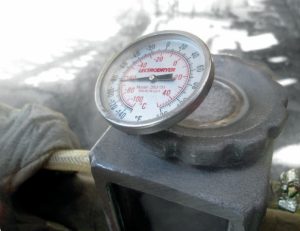
Simple tests to keep problems at bay
E. Almeida and B. Ferraro of Clark Solutions discuss how regular monitoring by simple testing of the towers in sulphuric acid plants can improve the reliability and lifespan of the plant.

E. Almeida and B. Ferraro of Clark Solutions discuss how regular monitoring by simple testing of the towers in sulphuric acid plants can improve the reliability and lifespan of the plant.
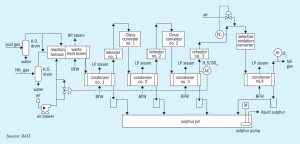
M. Rameshni and S. Santo of Rameshni & Associated Technology & Engineering (RATE USA) report on advanced catalysts for increasing the sulphur recovery efficiency of new and existing sulphur recovery units to meet stricter environmental regulations.
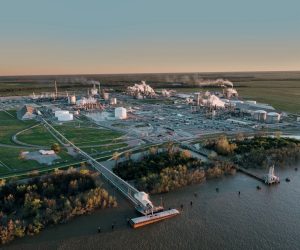
The recently-published IEA Ammonia Technology Roadmap sets out a future pathway for decarbonising the nitrogen industry. New technology options for low-carbon ammonia production are emerging and project activity is on the rise.
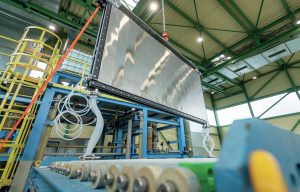
By using modular construction, operational modelling and digital plant control, thyssenkrupp Uhde can offer customers fast-build, capital efficient green ammonia plants. Dr Christian Renk and Dr Klaus Nölker explain the company’s innovative approach to plant construction, design and control.

Liquid fertilizers are emerging as a high growth, multibillion dollar market. Their growing use is linked to trends such as no-till farming and the greater adoption of precision agriculture. Leading producers and products are highlighted.

Heat recovery systems at sulphuric acid plants have been providing carbon-free energy for decades now and continue to improve. There is also potential to combine the clean power generated at acid plants with hydrogen production from water electrolysis. This could provide the basis for green fertilizer production.
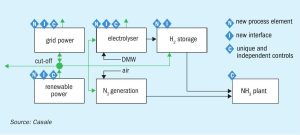
Economically viable production of green ammonia requires plants that can react to fluctuations in renewable power thanks to their flexible design. Casale’s Francesco Baratto, Giovanni Genova and Sergio Panza explain how new tools are helping design green ammonia plants that deliver the highest possible production at the lowest possible cost.
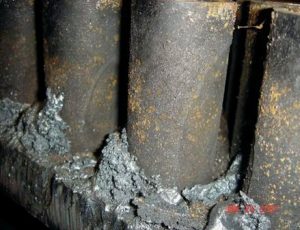
Most inspection personnel are familiar with the symptoms of process-related issues; however, they often lack an understanding of the root causes of water-related issues. In this article L. Huchler of MarTech Systems and E. Nasato of Nasato Consulting provide insight about early warning signs of common water-related failures in steam generators and sulphur condensers, proactive monitoring practices, practical operating strategies, options for corrective actions, reminders about robust water-side design and reminders about the challenges of prematurely destroying evidence by prioritising cleaning over diagnostic efforts during turnaround activities.
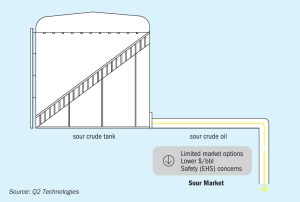
A new fully automated process has been developed that combines real time H2 S readings from an H2 S analyser and Q2 Technologies’ proprietary scavenger chemistry to treat high H2 S crude oil on demand. The process provides an efficient and effective way to administer the chemical product to avoid overtreating or undertreating. In some cases, the end user is seeing greater than 50% savings. It is a unique confluence of technology including IoT, advanced chemistry, and oil and gas personnel incentivised to demonstrate continuous improvement.
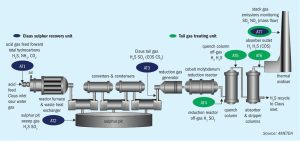
Jochen Geiger of AMETEK Process Instruments reviews SRU process analyser standards, how to choose the right instruments, what to watch out for when selecting the point of installation, responsibilities for the analysers after installation, and how to make best use of the information provided by these analysers. Potential upset conditions and how analysers can help us to understand and mitigate them are also discussed.