
Mosaic sells phosphate mine for $125 million
The Mosaic Company has announced the sale of its Patos de Minas phosphate mine to Fosfatados Centro SPE Ltda.


The Mosaic Company has announced the sale of its Patos de Minas phosphate mine to Fosfatados Centro SPE Ltda.

Russia is considering limiting potash exports from the second quarter of 2025.
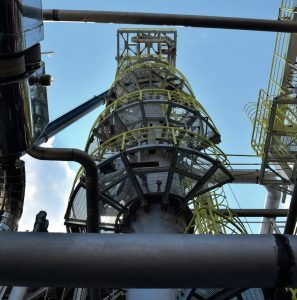
The European Commission is proposing to place tariffs on EU fertilizer imports from Russia and Belarus.
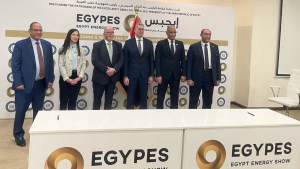
MOPCO has selected thyssenkrupp Uhde to supply advanced technology for its Damietta ammonia-urea complex in Egypt.
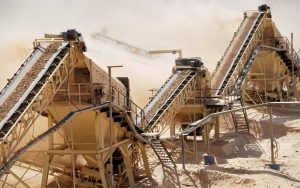
Misr Phosphate has started to export phosphate rock with a low dust content via the port of Damietta on Egypt’s Mediterranean coast.
Click here to access the February 2025 FI sentiment survey results.

High energy storage costs for renewable-based technologies are likely to make European long term carbon prices considerably higher than their present levels.

Expensive feedstock, overseas competition and tightening environmental regulations all pose potential threats to Europe’s nitrogen industry.

Nitrogen+Syngas went to press just a few days before Donald Trump’s swearing-in as the next president of the United States. While it is sometimes difficult to sort the truth from the hyperbole in his public pronouncements, nevertheless, if taken at face value, they would seem to indicate that we may be in for a turbulent four years in commodity markets in particular. While he is an avowed military non-interventionist, on the economic policy side he has emerged as a firm believer in the power of tariffs to alter markets in the favour of the US, and has promised 20% tariffs on all goods entering the US, potentially rising to 25% for Canada and Mexico, and 60% for his particular bugbear, China, sparking a scramble for wholesalers to stock up in the last few weeks of the Biden presidency. Trump previously raised tariffs on Chinese goods entering the US to 20% during his first term, and the Biden administration made no attempt to reverse this, and even added some additional ones, for example 20% on Russian and Moroccan phosphate imports.
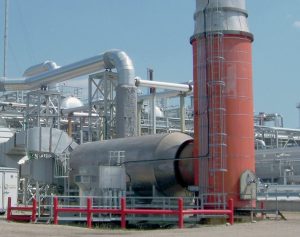
The 2030 greenhouse gas emission reduction goals in the European Union are driving oil and gas producers to reduce CO2 emissions wherever possible. This extends to even the incinerator attached to a sulphur recovery unit (SRU). In this article Sulphur Experts review the role of the incinerator, how the three most common European TGUs each affect the demand on the incinerator itself, and the potential reduction in CO2 emissions for a generic facility of each type.