


• Skip to main content

    Sulphur 425 Jul-Aug 2026

    Maintenance halt for Konkola copper smelter


    ZAMBIA

    Maintenance halt for Konkola copper smelter

    Konkola Copper Mines (KCM), a subsidiary of Vedanta Resources, said on June 3rd that it had begun a planned 60-day maintenance shutdown of its Nchanga smelter in Zambia. KCM said that the routine maintenance is aimed at improving operational efficiency, equipment reliability, and long-term production performance, and forms part of the company’s broader modernisation strategy, aimed at increasing its capacity toward a target of 300,000 t/a of copper by 2030. KCM produced 80,000 t/a of copper in 2025 according to government figures.

    The Nchanga smelter shutdown means that from June to mid-September, Zambia’s three major processing plants – the Mopani, Chambishi and Nchanga smelters – will take extended maintenance shutdowns, tightening copper and sulphuric acid output at a time when acid is at a premium because of the conflict in Iran. KCM says that, during the shutdown, sulphuric acid supply for the Nchanga tailings leach plant will be secured through external procurement and its own acid plant with a daily capacity of 500 t/d.
    Latest in Uncategorised

    Elessent and Thermal Systems target steaming bottlenecks in sulphuric acid plants

    Elessent Clean Technologies has entered a strategic alliance with Indiabased Thermal Systems Private Limited to supply steaming equipment for MECS® sulphuric acid plants in North and South America. The deal links MECS® sulphuric acid process design with Thermal Systems’ boiler, superheater and economiser fabrication, giving operators a single route to specify and source new heatrecovery equipment rather than managing separate engineering and OEM contracts.

    CASE STUDY: SHELL PERNIS

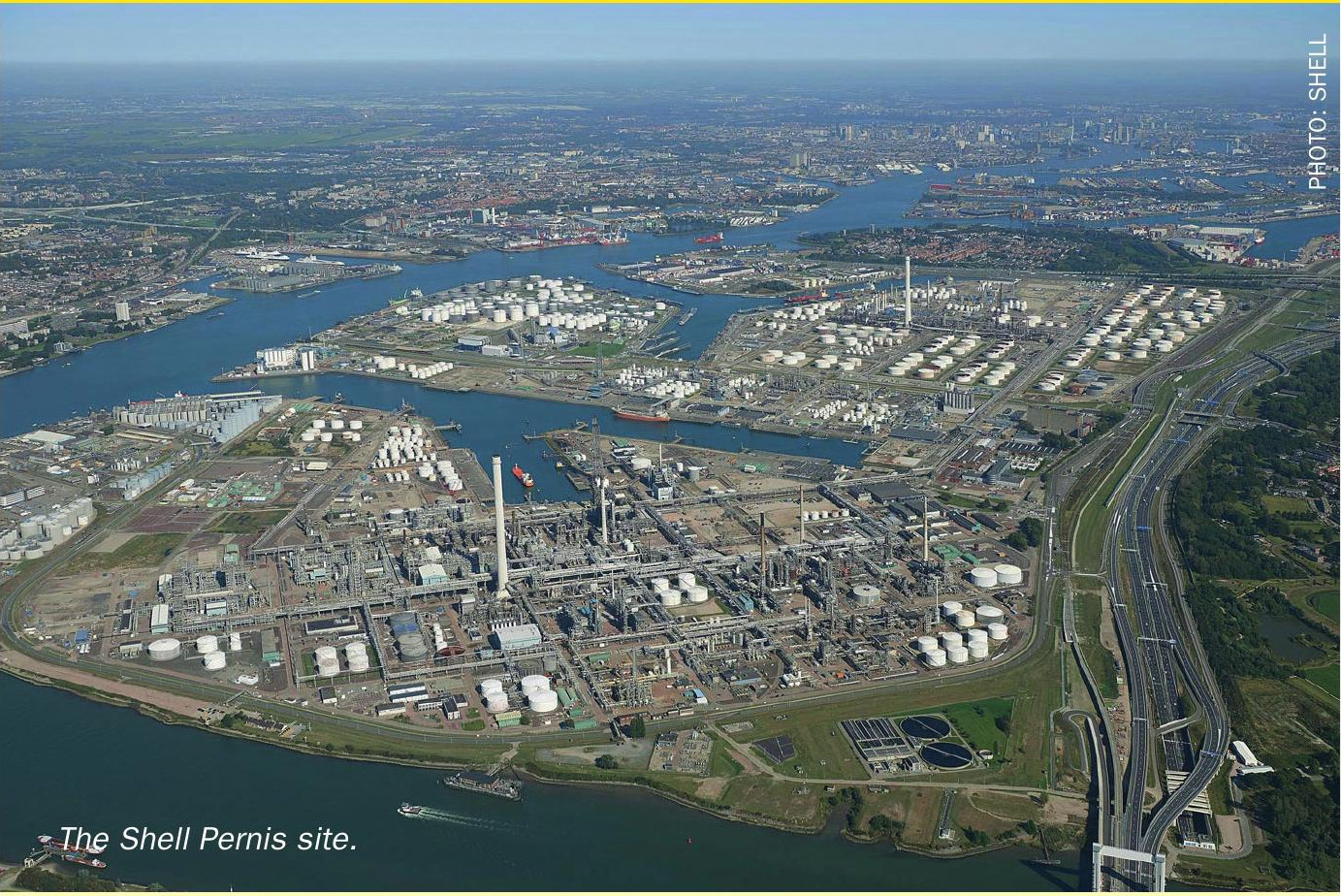
    As described in a recent publication2 , Shell Pernis in the Netherlands is an example of how a complex European refinery can approach decarbonisation in stages rather than through a single step change. The refinery sits in one of Europe’s most industrialised and infrastructure-rich locations, which matters because refinery decarbonisation depends heavily on access to power, hydrogen, and CO2 transport infrastructure. Pernis is a relevant example for blue hydrogen, carbon capture, and broader utility-system transformation, illustrating the main options available to a mature refinery seeking deep emissions reductions without abandoning its core industrial role.