


Sulphur 425 Jul-Aug 2026
19 September 2026
CASE STUDY: SHELL PERNIS
CASE STUDY: SHELL PERNIS
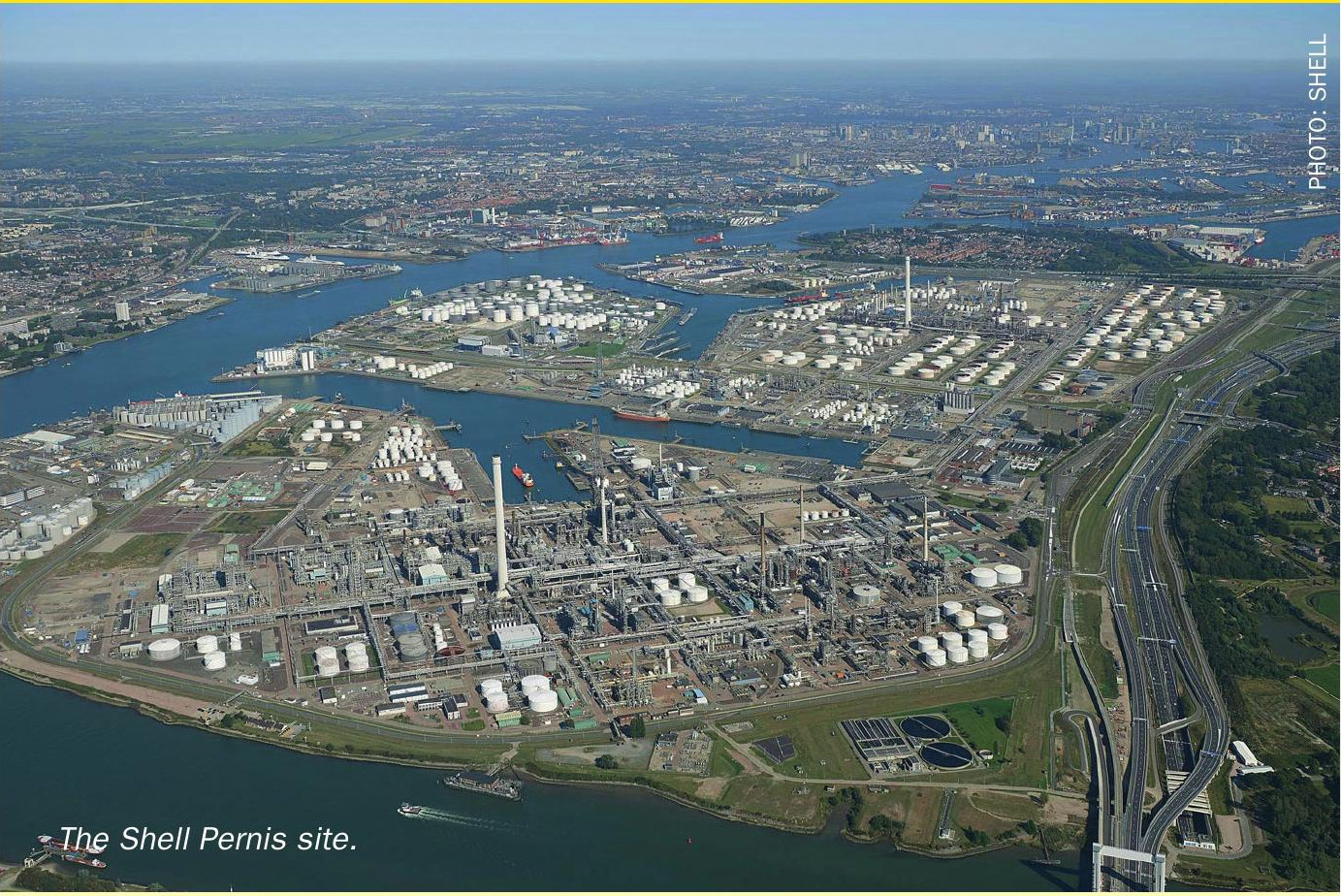
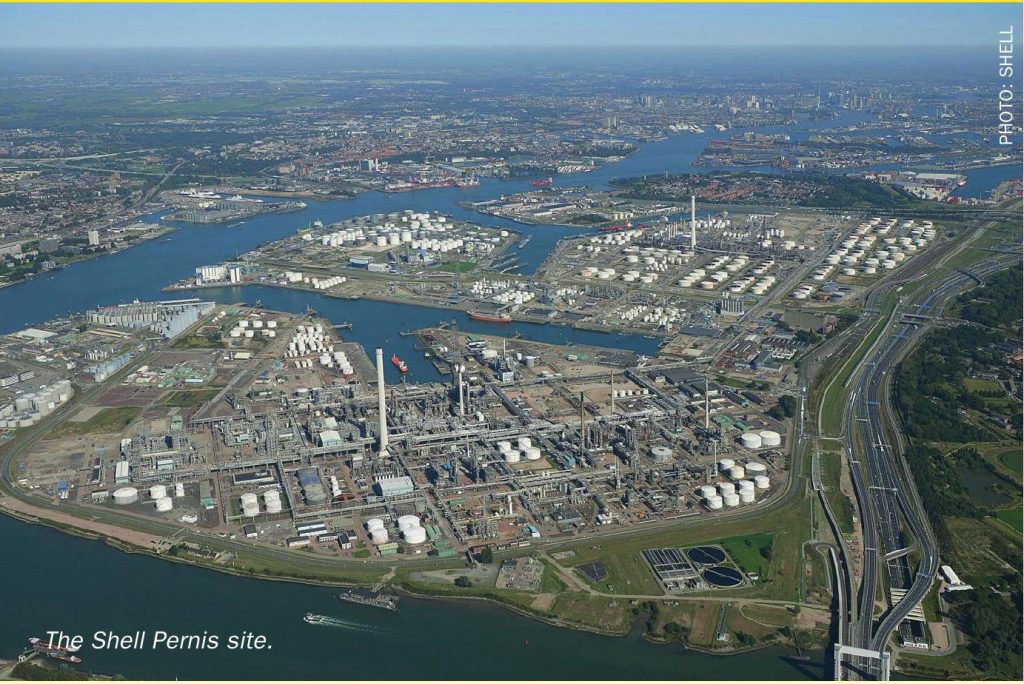
As described in a recent publication2, Shell Pernis in the Netherlands is an example of how a complex European refinery can approach decarbonisation in stages rather than through a single step change. The refinery sits in one of Europe’s most industrialised and infrastructure-rich locations, which matters because refinery decarbonisation depends heavily on access to power, hydrogen, and CO2 transport infrastructure. Pernis is a relevant example for blue hydrogen, carbon capture, and broader utility-system transformation, illustrating the main options available to a mature refinery seeking deep emissions reductions without abandoning its core industrial role.
1. Hydrogen is the central lever. Pernis, like most complex refineries, depends on hydrogen for hydrotreating and upgrading. Replacing fossil-derived hydrogen with low-carbon hydrogen can cut a large share of direct emissions without fundamentally changing the refining process. In a European context, the most practical routes are likely to be imported green hydrogen, blue hydrogen backed by carbon capture, or a combination of both as infrastructure develops. For Europe, imported low-carbon hydrogen becomes more attractive as grid decarbonisation progresses and hydrogen networks mature.
2. Electrification is most effective at the utility level. Rather than electrifying every heater at once, a site like Pernis can reduce emissions by converting steam and power systems first: electric boilers, electric drives, and selected heat-recovery applications offer the best early returns. This aligns with other sources, which find that condensing turbine replacement and electric steam production are among the most attractive options. For a large existing site, that approach also reduces operational disruption.
3. Carbon capture remains essential for residual emissions, especially from process units such as the FCC and hydrogen production assets. For a refinery like Pernis, capture is most viable when it is part of a regional cluster with shared compression, transport, and storage infrastructure. That is why the Dutch and wider North Sea carbon storage context is so important. Without that infrastructure, the economics become much harder.
Shell Pernis represents a likely European refinery transition model: efficiency first, then electrification, then low-carbon hydrogen, and finally carbon capture for the stubborn remainder. It is not a low-capex transformation, but it is a technically credible one for a complex refinery that will continue to serve fuels, petrochemicals, and industrial demand during the transition.