Fertilizer International 528 Sep-Oct 2025
11 September 2025
Nourishing soils, nourishing people
Guest Editorial
Nourishing soils, nourishing people
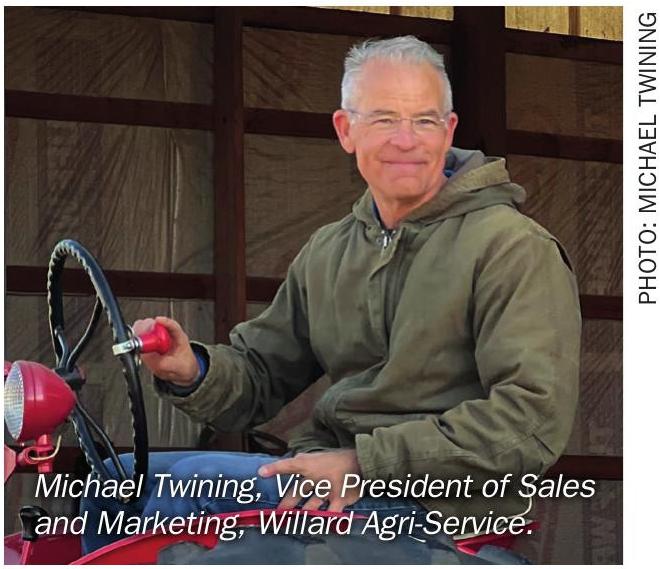
Michael Twining, Vice President of Innovation, Willard Agri-Service, gave a memorable and well-received keynote at this year’s International Fertilizer Association (IFA) Annual Conference in Monaco. In this guest editorial, he returns to his theme of purpose in the fertilizer industry – and our role as the experts at nourishing soils and therefore people.
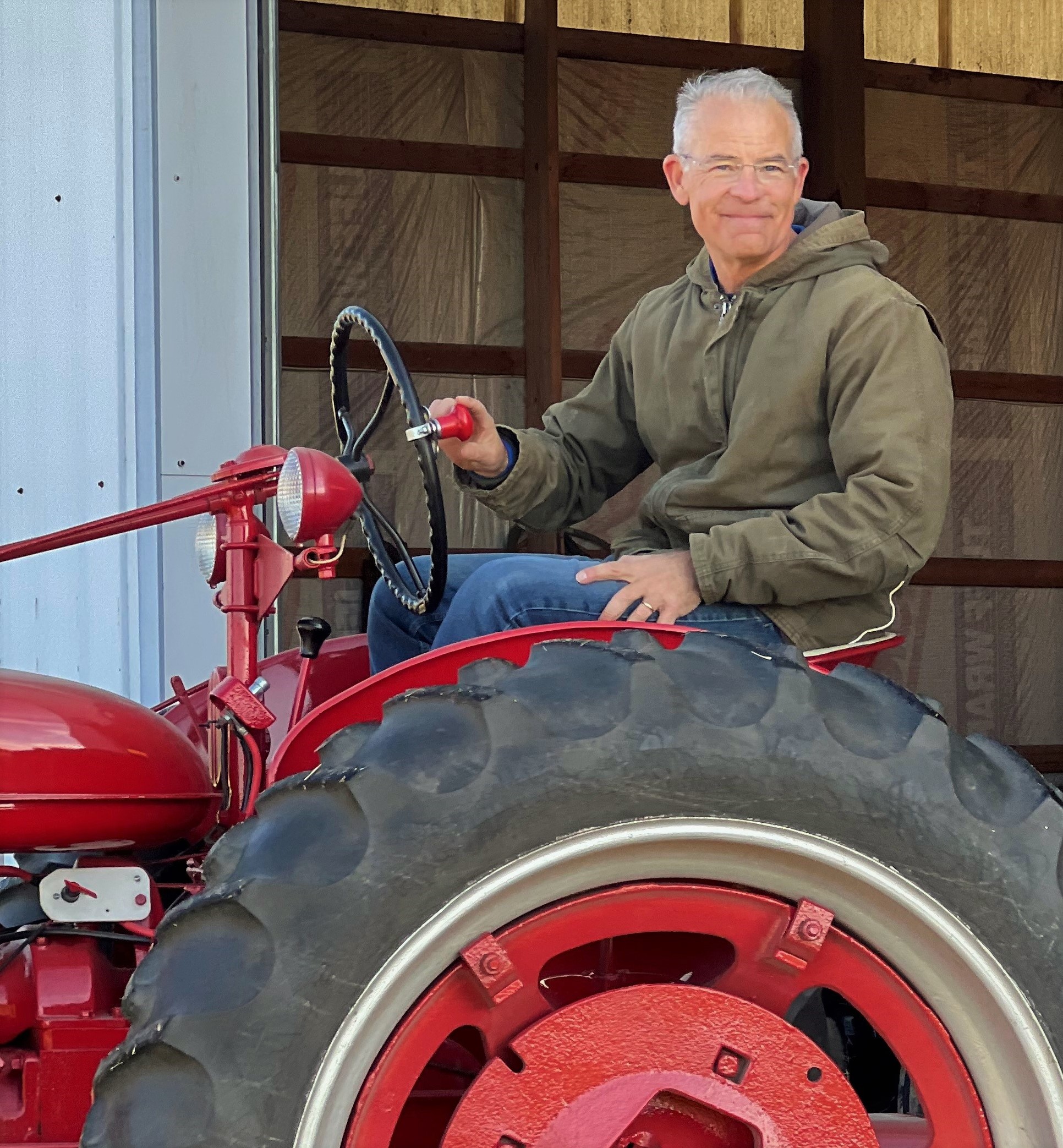
In the northern hemisphere, fall is here! Fall is the traditional harvest season. For me, stepping outside into the cool, crisp air takes me back to the farm of my youth and the excitement of finally harvesting the crops our family had worked all season to grow. Farmers readily share stories about how much this field or that field has yielded.
There are two unfortunate truths about harvest: First, most people have never seen a harvest or understand its link to the food they eat daily, nor are they aware of the complex food production system that provides the world with large, diverse quantities of quality foods. Most importantly, many people are unaware of the story of how nutrients used by farmers to grow crops – along with the energy crops receive from the sun and the CO2 they absorb – ultimately reach their dinner plates. This process satisfies their hunger, supports life and health, and allows them to engage in meaningful work.
Second, the industry often uses language that most consumers find difficult to relate to or even comprehend. Whether it’s farmers discussing yield in bushels or tons, or retailers and producers referring to fertilizers and inputs, we’ve developed a jargon based on our revenue sources. This means we might miss out on great opportunities.
The internet is full of negative claims about ‘industrial’ agriculture that is ‘sterilising’ or ‘depleting’ our soils. Hearing these misinformed statements, as someone who works with farmers daily, upsets me and drives me to shift the conversation from fear-based language to a solutions-focused mindset.
It has never been more important for the fertilizer industry to take the ‘high ground’ in helping people understand that the nutrition on their dinner plates is the direct result of a farmer feeding their soils balanced reliable nutrients (fertilizer), managing healthy crop growth, and then harvesting those nutrients in the form of wholesome food that we all can eat every day.
We (the fertilizer industry) form the backbone of human nutrition. In the daily rush of global commodity market analysis, production needs, shipping schedules, tonnage goals, and more, it’s easy to miss some basic messages:
• We are the experts at nourishing soils and, consequently, people.
• The nutrients we supply farmers to replenish their soils each growing season are the same ones listed on food labels and that nourish us.
• Modern, technology-driven, regenerative farming methods improve nutrient efficiency. This creates systems that can scale globally to solve many environmental and human health problems.
• Balanced use of fertilizer is critical to the success of these systems.
Over the past year, I have pushed myself to step out of my comfort zone and publicly share the incredibly positive story we can tell the world about the future of food and farming. As I began this journey, I admit I was nervous that I might face criticism from those with agendas to promote fear and who are, frankly, misinformed.
What I have discovered is quite encouraging! Many people, far removed from agriculture, have responded with enthusiasm, commenting that they never knew how beneficial modern food production is and can be – especially when social sentiment and common-sense regulation encourage innovation in modern global agriculture and food production.
“It has never been more important to help people understand that the nutrition on their dinner plates is the direct result of a farmer feeding their soils balanced reliable nutrients, managing healthy crop growth, and then harvesting those nutrients in the form of wholesome food.”
Alzbeta Klein, IFA’s CEO, challenged the industry at this year’s annual conference, saying, “We must move from mere input providers to true partners in sustainable food production.” From my perspective as a father, an agricultural retailer, and an agricultural storyteller, I truly believe she’s absolutely spot on with her focus.
We in the fertilizer industry have work to do, not only to share our past successes in solving problems, but also to innovate in ways that offer new solutions for the challenges to human health and planetary health that lie ahead! I believe people are literally and figuratively hungry to learn about the hopeful future that innovations in our industry are creating.
The future is bright. We are writing our future story today. How will your chapter read?