Fertilizer International 526 May-Jun 2025
Pursell Agri-Tech partners with Wastech on CRF plant


MALAYSIA

Pursell Agri-Tech partners with Wastech on CRF plant

Pursell Agri-Tech is to build and operate a fertilizer coating plant in Malaysia dedicated to the production of advanced controlled-release fertilizers (CRFs)

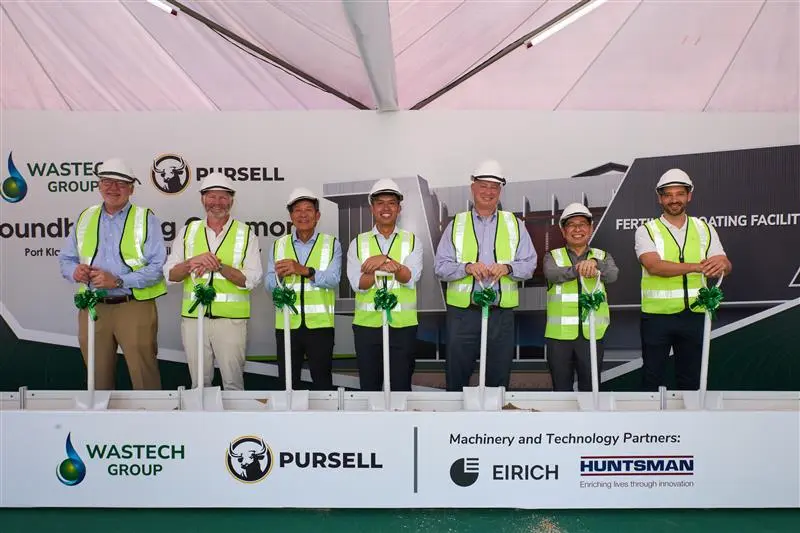
The leading fertilizer coating technology company, based in Sylacauga, Alabama, in the US, has entered into an agreement to construct the plant for Wastech Group, an integrated agricultural and landscaping solutions provider based in Southeast Asia.

“Partnering with Wastech to build a plant in Malaysia is ideal,” said Tim Ferguson, Pursell’s CEO. “It’s located near key substrate and material suppliers and creates opportunities to address the diverse nutrition needs of customers in the region in a predictable, prescriptive and profitable way.”

The new plant is expected to become operational and start producing CRFs in spring 2027 – and will capitalise on Pursell’s innovative coating materials and proprietary processing techniques. The company’s patented technology will also enable the creation of bespoke CRF formulations incorporating micronutrients and temperature-sensitive additives, such as biologicals, growth enhancers and soil health promoters.

“This partnership with Pursell marks a significant step forward in our commitment to sustainable agriculture in Southeast Asia,” said Nicholas Hii, Executive Director of Wastech Group. “We are well-positioned to deliver high-performance, cost-effective, and environmentally responsible fertilizer solutions that meet the needs of our plantation and agricultural customers.”

CRFs produced at the plant will target key crops in the region, with a primary focus on oil palm. Trials conducted with major plantation groups have shown that CRFs can reduce fertilizer application frequency by up to 30%, while increasing nutrient uptake efficiency and minimising losses due to leaching, particularly in challenging environments such as peat and sandy soils.

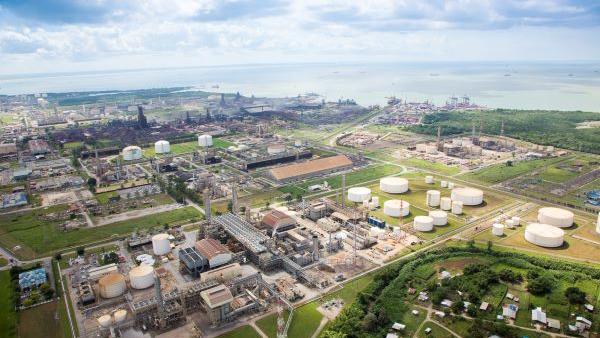
PHOTO: OMEX

The plant’s production capacity will enable Wastech to expand further into high-growth segments including rice fields and fruit orchards, such as those for durian.

The new CRF production plant will serve markets across Southeast Asia, as well as Australia, New Zealand, South Korea, and Japan, where demand for advanced fertilizer technologies is growing due to an increasing focus on sustainability and evolving agricultural practices.

Latest in Agricultural

Cherepovets hit by drone strikes; phosphate impact unclear

Multiple drone strikes have hit the industrial city of Cherepovets in Russia's Vologda Oblast region, according to Russian news agency TASS. The area contains PhosAgro's largest phosphate fertilizer production site. Cherepovets has a production capacity of around 700,000 t/a NPK and around 814,000 t/year DAP/MAP, according to CRU data, making it the largest phosphate fertilizer production site across Europe and the CIS. The site also contains several sulphuric acid plants with a combined capacity of 4.5 million t/a, making it Russia's largest production hub for the acid. This entire volume is consumed domestically.

CRU Phosphates+Potash conference focuses on sulphur

CRU’s Phosphates+Potash Expoconference was held in Paris in mid-April, with the Iran crisis uppermost in everyone’s mind. Margins are under pressure, sulphur has become a strategic constraint, and the phosphates investment pipeline is thin. CRU Principal Consultant Humphrey Knight examined the fallout from the closure of the Strait of Hormuz, noting that fertilizers have been hit harder than most bulk commodities. A large share of exportable sulphur and traded urea normally originates in, or passes through, Gulf producers. The effective closure of the strait has squeezed the traded part of these markets, where international prices are set, and pushed benchmarks up sharply. The global phosphate market is structurally tight, and the combination of Chinese export policy and Middle East logistics has pushed the traded segment into a much more fragile state.