• Skip to main content

    Sulphur 418 May-Jun 2025

    IPCO buys New Era Converting Machinery


    IPCO buys New Era Converting Machinery

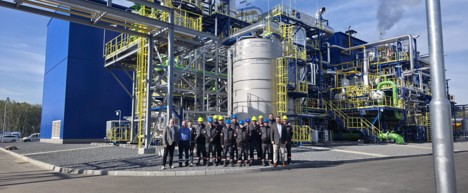
    IPCO AB has acquired web converting equipment manufacturer New Era Converting Machinery Inc. New Era is a web converting equipment design and manufacturing business, with two facilities in New Jersey, USA, and around 100 employees. Its technology platform of web handling, coating, laminating, and embossing equipment expands IPCO’s presence in key industries, especially in sustainability-driven segments. It also complements IPCO’s double-belt press and film casting solutions.
    Latest in Industrial

    Price Trends

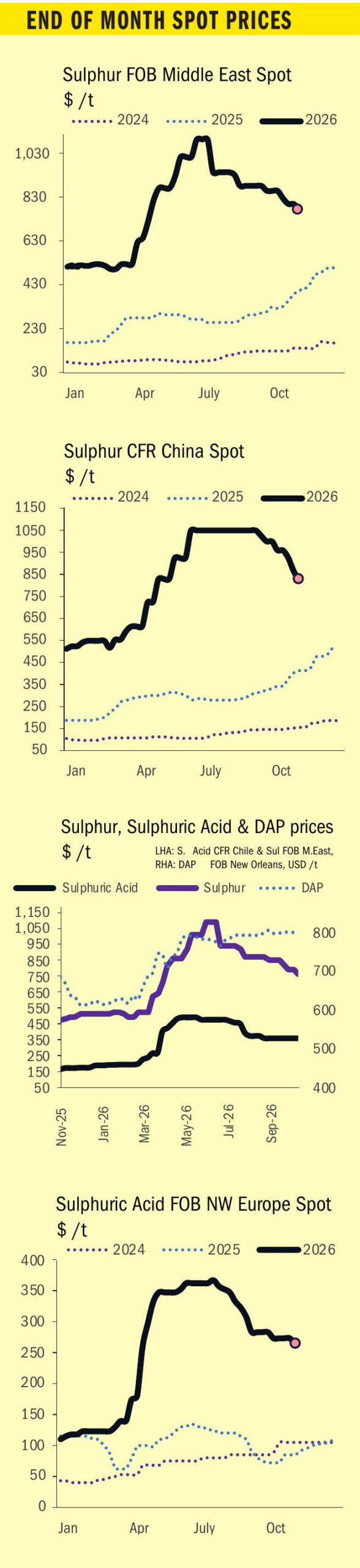
    Sulphur prices weakened across several import markets in late October as buyers resisted offers and delayed purchases amid squeezed downstream margins. Tight North American and Middle Eastern export availability limited declines, while shipping constraints and security risks threatened disruption. After rising sharply from late 2025 to multi-year highs in H1 2026, prices retreated from mid-year peaks, particularly in Asian import markets. However, October assessments remained substantially above early-2026 and 2025 levels, with prompt supply constraints and logistics risks supporting some FOB markets.

    Market Outlook

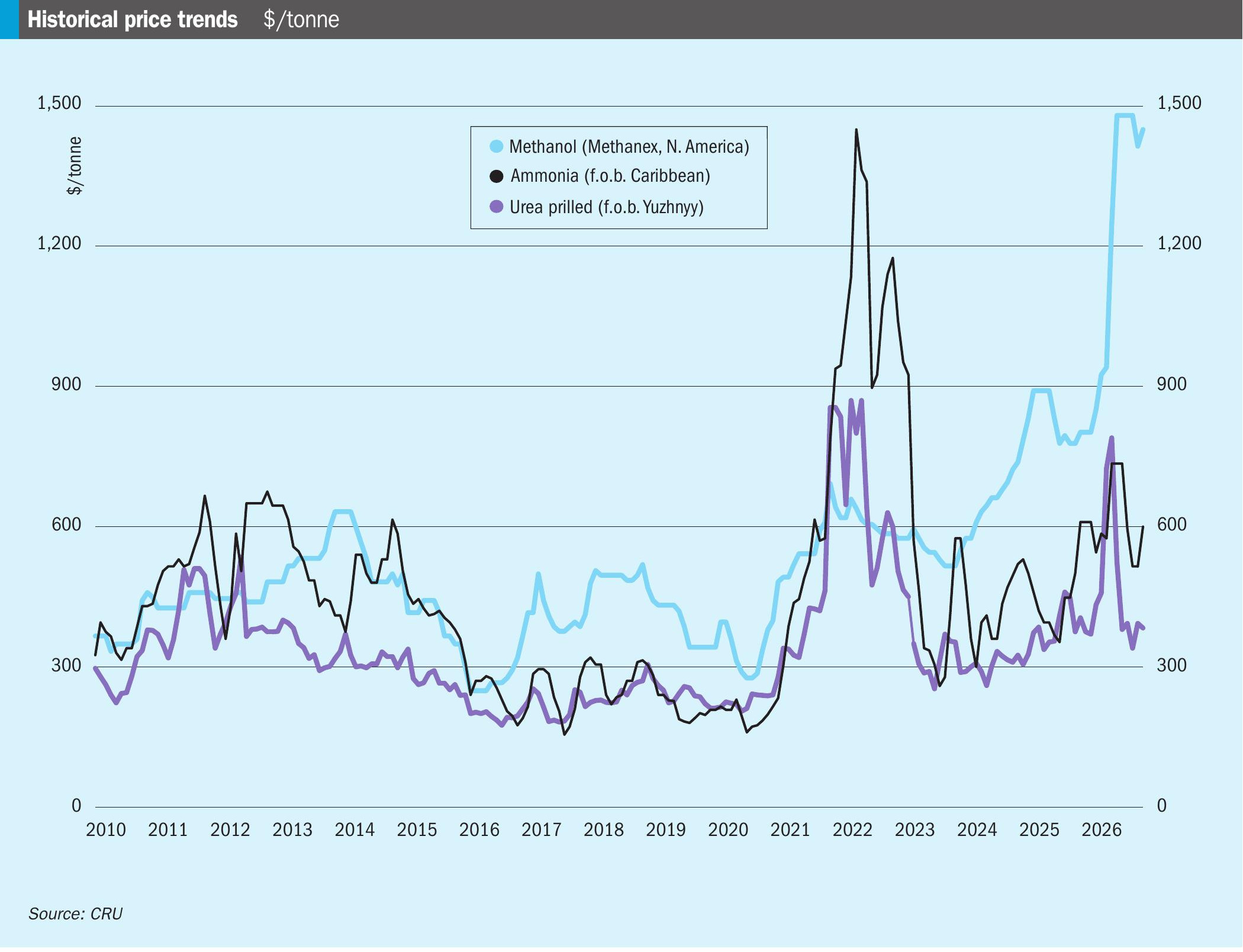
    • West of Suez, high gas costs and committed North African supply should keep northwest European CFR prices firm. With Dutch TTF gas around €100/MWh, around one third of European ammonia production is curtailed, and further cuts could follow if gas prices hold. CRU does not expect TTF to fall below $30/ MMBtu until February. • East of Suez, December demand from East Asia is set to support further gains, although Indian resistance to prices above $550/t CFR may slow the pace. • Once gas costs subside, CRU expects ammonia prices to follow suit. Beyond 2026, new merchant capacity will see supply-driven pressure return outside Europe, though wide regional price disparities are likely to persist. North African supply offers little relief, with Algeria and Egypt largely sold out to year-end and Libyan plants offline for at least another two months.