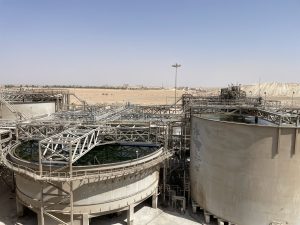
Merchant-grade acid (MGA) preparation and logistics
Avoiding solids settling and sludge formation during MGA transport is vital, say Jan Tytgat , Process Engineering Manager, De Smet Agro.


Avoiding solids settling and sludge formation during MGA transport is vital, say Jan Tytgat , Process Engineering Manager, De Smet Agro.
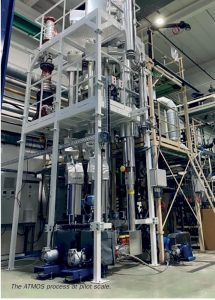
Co-developed by GEA and Yara, the ATMOS process is an advanced heat integration technology for concentrating phosphoric acid.
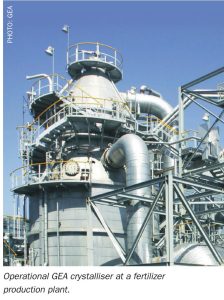
Fertilizer International presents a global round-up of phosphate rock, phosphoric acid and finished phosphates projects.

Coromandel International says that it has started trial production at its new sulphuric acid and phosphoric acid plants in Kakinada, Andhra Pradesh. The company says that this marks a crucial step towards transforming the unit into a fully integrated facility

US-based phosphate producer Itafos reported higher production in 2025, as well as higher sales prices, in ...
India's state-owned Rashtriya Chemicals and Fertilizers Ltd (RCF) has granted in-principle board approval to set up a new ...

Syria’s Geological and Mineral Resources Authority has signed an agreement with Teryaq, a subsidiary of Serbia’s Exlixir Group, aimed at exporting 1.5 million t/a of phosphate by the end of 2026. The agreement marks a significant step in Syria’s efforts to expand international partnerships and optimise its mineral resources for economic gain. Elixir Group owns the largest phosphoric acid plant in Europe and operates three fertilizer plants in Serbia.
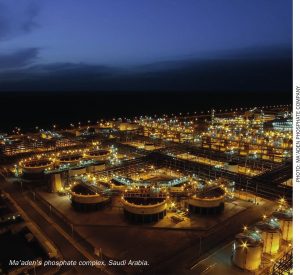
Flash floods in the Moroccan port city of Safi killed at least 37 people in December and injured many others, with knock on effects also likely to impact exports from phosphate producer OCP. Jorf Lasfar is the phosphate giant's main export hub for phosphate fertilizers and phosphoric acid, while Safi exports smaller volumes of phosphoric acid, TSP and animal feed products. Phosphate rock exports are largely concentrated at the port of Casablanca further north. OCP produces around 420,000 t/a triple superphosphate and 1.63 t/a phosphoric acid at Safi, as well as around 62,000 t/a dicalcium phosphate and 70,000 t/a monocalcium phosphate.
Iraq’s Ministry of Industry and Minerals confirmed on Wednesday its intention to proceed with the construction of a new phosphate plant in Al-Qaim district, Anbar province, to use 10 billion tonnes of phosphate reserves. The ministry also revealed the expected production volume and the total value of the project. Ministry spokesperson, Duha Al-Jubouri, told the Iraqi News Agency (INA): “This project aims to revive this sector after the near-total destruction of the phosphate plant due to terrorist operations.” She explained that “the project is being implemented in partnership with the private sector and is considered one of the mega-projects that reflects the significant potential Iraq possesses.”
Arianne Phosphate says that the government of Canada has approved contribution funding of up to C$735,000 to support the company’s ongoing work on processing phosphate rock and optimising its purified phosphoric acid (PPA) process. The funding, provided through Natural Resources Canada’s Critical Minerals Research, Development and Demonstration programme, is part of a C$80.3 million investment announced by Prime Minister Mark Carney to help build secure critical minerals supply chains in Canada. Phosphate was added to the Canadian critical mineral list in 2024. Arianne’s Lac à Paul project is the only fully permitted phosphate mine in the country. Arianne is now actively pursuing opportunities for the downstream production of PPA, a necessary ingredient for lithium-iron-phosphate batteries.