
Crushing, conveying & screening
Efficient size preparation and ore transport are key prerequisites for successful potash and phosphate production. We highlight the range of equipment options.


Efficient size preparation and ore transport are key prerequisites for successful potash and phosphate production. We highlight the range of equipment options.
German slurry handling specialist Vogelsang has just launched a new acidification technology which it claims will reduce ammonia emissions from agriculture, reducing up to 70% of ammonia to nutrient rich ammonium. Its new SyreN technology is an onboard sulphuric acid dosing system for tractors that treats slurry or digestate as it is applied to the land. It uses a front-linkage mounted unit to carry the acid, which also improves tractor weight distribution. The acid is dosed when the organic fertiliser is fed to the applicator, with a pH regulator automatically controlling and adjusting the flow. Nitrogen uptake of organic fertilizer is also increased by up to 1/3 as the ammonium is more easily metabolised by the soil. Results from a study in Germany showed that the acidifying slurry increased crop yield by up to 20%. The sulphur contained in the acid also becomes available to the plants as sulphate after spreading, eliminating the need for an additional pass over the field to administer a supplementary sulphur fertiliser, such as ammonium sulphate nitrate. At approximately 30 kg/ha, the amount of sulphur introduced into the crop with the SyreN system corresponds to the average amount of sulphur that is already applied to crops in the course of a growing season.

Ken Seitz has been named as Nutrien’s interim CEO following the resignation of the former CEO and president Mayo Schmidt on the 4th of January. Schmidt had only been in post for eight months, having taken over from Chuck Magro in April 2021. Mr Seitz was the company’s executive vice president and CEO of potash prior to the announcement. His appointment is a transitional arrangement.

Sarah Fedorchuk, Mosaic’s vice president, government and public affairs, North America, explains how recycling phosphogypsum from Florida can help America compete globally.

Belarus sanctions, freight costs and strong demand are pushing MOP pricing to new heights, says Andy Hemphill, senior editor for potash and sulphuric acid at ICIS Fertilizers.

CRU Events will convene the 2022 Phosphates International Conference & Exhibition in Florida at the Tampa Marriott Water Street, 7-9 March.
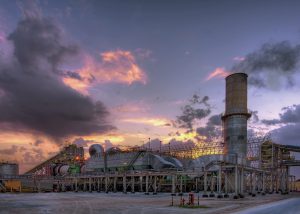
Import duties on phosphates from Morocco and Russia imposed by the US government in 2021 have compounded a lack of availability of phosphate fertilizer caused by Chinese export restrictions and led to higher prices for US farmers. Are there knock-on effects possible for sulphuric acid demand?
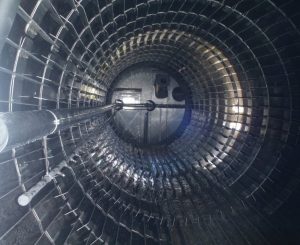
A look at papers presented at CRU’s annual Sulphur + Sulphuric Acid conference, which was once again held virtually, in November 2021.

Market Insight courtesy of Argus Media
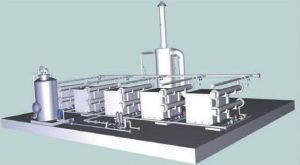
Nitrogen-rich wastewaters remain a major issue for fertilizer and other industries. Saipem’s new electrochemical technology, SPELL, is an important step towards the overall objective of zero industrial pollution. A complete engineering review of the technology, its alignment with all international applicable standards, and optimisation has now been concluded and the technology is ready for deployment for the removal of ammonium nitrogen from industrial waters and wastewaters. Saipem discusses the key features of SPELL and reports on the first two industrial references.