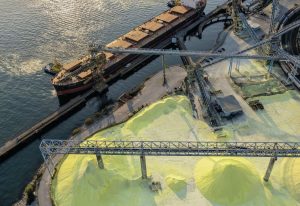
North America’s sulphur industry
Sulphur output in North America continues to decline due to refinery closures and conversions at the same time that acid demand is increasing for metals processing projects.


Sulphur output in North America continues to decline due to refinery closures and conversions at the same time that acid demand is increasing for metals processing projects.
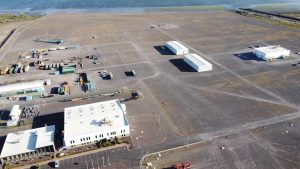
South America has become the largest importing region for nitrogen fertilizers, with Brazil overtaking India as the world’s largest urea importer. While there have been attempts to use local gas to develop a domestic nitrogen industry, these have faced challenges on a number of fronts.

The past few years have seen a rapid increase in attempts to generate ammonia from streams of nitrate polluted wastewater, but how practical are these methods?
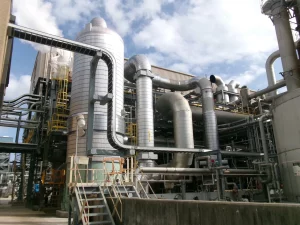
Nitric acid demand continues to be dominated by fertilizer uses via various nitrate and NPK fertilizers, but industrial chemical production, metallurgical uses and explosives production are continuing to contribute to growth, especially in Asia.

In this CRU Insight, Peter Harrisson reports on how battery materials have become a powerful driver of sulphur consumption growth.
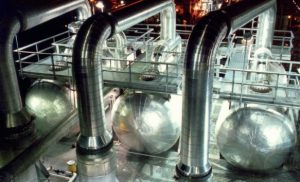
Fluor explores the versatile potential of oxygen enrichment for various revamp and debottlenecking opportunities.
QMax Industries explains why effective steam and condensate management is essential to the performance, safety, and reliability of sulphur recovery units.
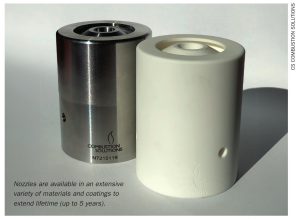
CS Combustion Solutions introduces the SR-P sulphur atomiser nozzle to the sulphuric acid process, combining the high-quality atomisation of ultrasonic systems with the affordability and simplicity of pressure atomisers.
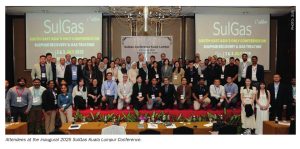
SulGas® KL, South-East Asia’s sulphur recovery and gas treating conference organised by Three Ten Initiative Technologies LLP, made its debut from 2-3 July 2025, at Impiana KLCC, Kuala Lumpur, Malaysia.

Advanced SRUs and decarbonisation technologies position LNG for net-zero goals by 2050. Mahin Rameshni and Stephen Santo of RATE USA review sulphur management strategies for LNG, from ppm-level H2 S scavenging and non-conventional liquid redox to Claus SRUs, and introduces RATE’s patented technologies to achieve >99.9% recovery, operational stability, and decarbonisation alignment amid regulatory and market challenges.