Comprehensive coverage of the global fertilizer industry

Sulphur
Extensive and independent coverage of the global sulphur and sulphuric acid industries
Nitrogen+Syngas
Unrivalled technical and market coverage of syngas and its derivatives
Advertising
Advertise your company and products on our website or print editions

Latest from BCInsight
Retrofitting with next-generation liquid sulphur treating
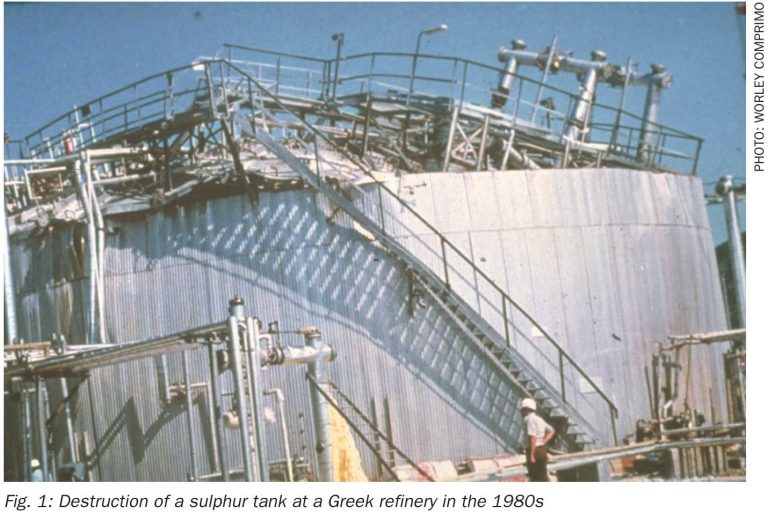
Retrofitting liquid sulphur treating into existing sulphur recovery units can significantly improve safety by reducing hydrogen sulphide in sulphur storage and handling, while also lowering the risk of toxic exposure and explosions. Worley Comprimo reviews proven treating technologies and retrofit options that can be implemented with minimal disruption to existing operations.
Enhanced decarbonisation of SRU gas facilities
Gasprocessing facilities are increasingly required to reduce industrial carbon footprint. A significant opportunity lies in recovering CO2 from tailend gas streams that are typically routed to thermal oxidation. MAIRE Group presents an integrated recovery configuration combining cryogenic separation with pressure swing adsorption (PSA) to recover high purity CO and H from SRU/TGTU tail gas.
Maintaining below-grade sulphur pits
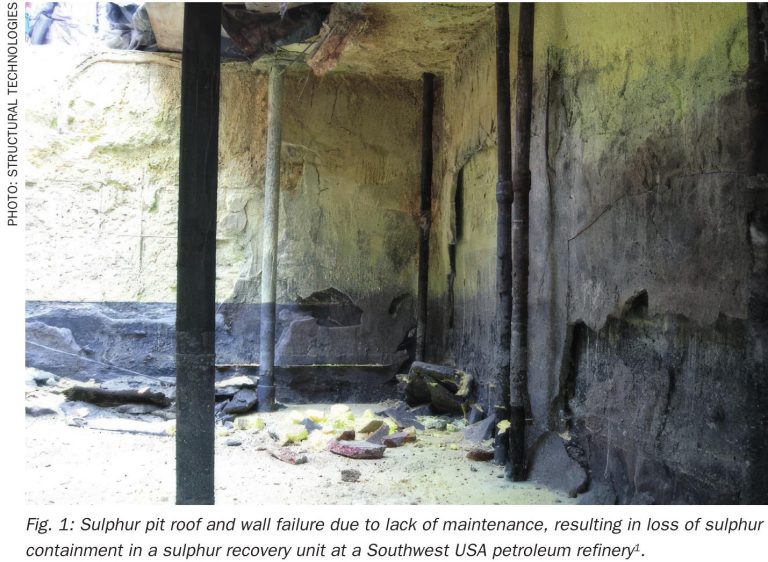
Below-grade reinforced concrete sulphur pits are critical containment assets in sulphur handling operations, where temperature control, water ingress prevention, and structural integrity are essential to reliable performance. Thomas Kline of Structural Technologies outlines practical inspection, assessment, and repair strategies to help owner/operators maintain serviceability, extend asset life, and avoid costly process interruptions.
Overcoming the complexities of liquid sulphur pipeline transport
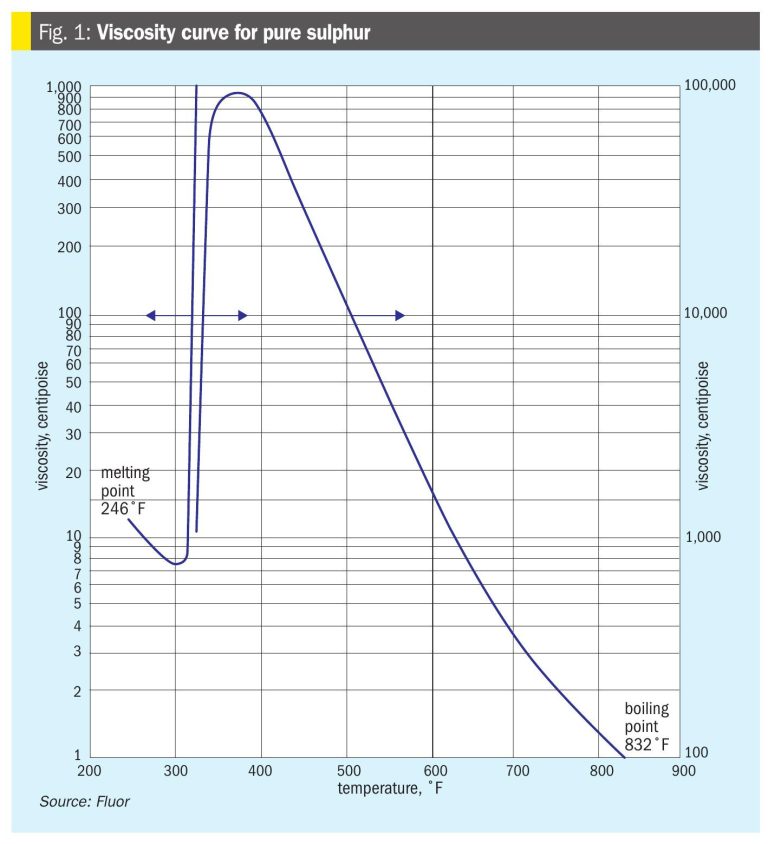
Akanksha Pandey, Vaneet Garg, and Debopam Chaudhuri from Fluor discuss the unique challenges associated with transporting liquid sulphur through pipelines and present key design considerations and operational strategies that enable safe, continuous and reliable long-distance operation.
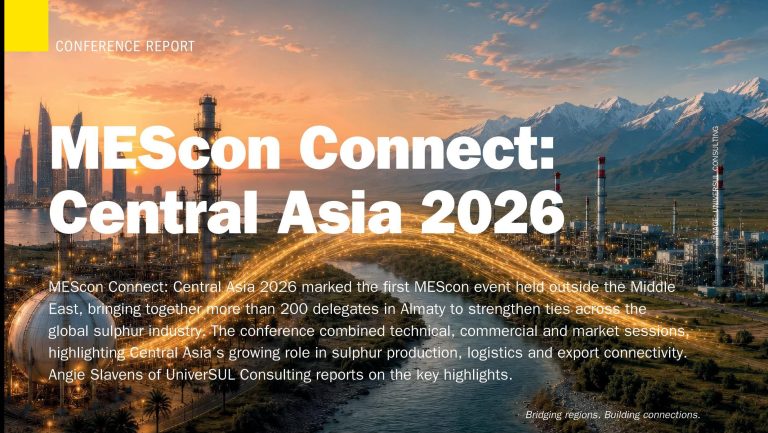
MEScon Connect: Central Asia 2026
MEScon Connect: Central Asia 2026 marked the first MEScon event held outside the Middle East, bringing together more than 200 delegates in Almaty to strengthen ties across the global sulphur industry. The conference combined technical, commercial and market sessions, highlighting Central Asia’s growing role in sulphur production, logistics and export connectivity. Angie Slavens of UniverSUL Consulting reports on the key highlights.
Yuntianhua gives go ahead for giant phosphate mine
The board of Yunnan Yuntianhua gave the go ahead for the development of a massive underground phosphate mine in Yunnan province on 14th May. The major Chinese producer part owns the mine project through a 35% stake in its developer Julin New Materials. The other three owners are Yuntianhua Group (55%), Zhaotong Development Group (9%) and Zhenxiong Chanyi Investment (1%).
Restart for Hongda smelter
Hongda’s 100,000 t/a zinc smelter, in China’s Sichuan Province, completed scheduled maintenance and equipment upgrading and officially resumed production on 21st June, the company said. The smelter had been shut down for planned maintenance since January, during which time a modernisation project for the electrolytic zinc smelting system was also carried out. Following the nearly six-month revamp, the resumption of production is expected to improve overall operational efficiency, reduce unit production costs, and increase the utilisation rate, The company said. The stable supply of sulphuric acid generated by the zinc smelter will effectively leverage the synergies of the “sulphur-phosphorus” industrial chain in the company, an help alleviate cost pressures on the company’s phosphorus chemical business segment.
Travertine processes Ariane phosphate samples
Arianne Phosphate has provided samples of its phosphate concentrate for processing at Travertine’s facility in Boulder, Colorado, US. Pilot scale testing was successfully performed, demonstrating proof of concept on the process and production of a high-quality purified phosphoric acid (PPA). The Travertine process captures and recycles over 95% of the sulphur used in the process of making PPA, providing a virtually closed loop system. The PPA produced using the process met specifications required for both LFP batteries as well as fertilizers. The companies have begun work to advance the PPA demonstration plant in Quebec’s Saguenay-Lac-Saint-Jean region, working with potential partners as well as end-users of the product.